The Restlessness of a Still Life
Bernardo José de Souza
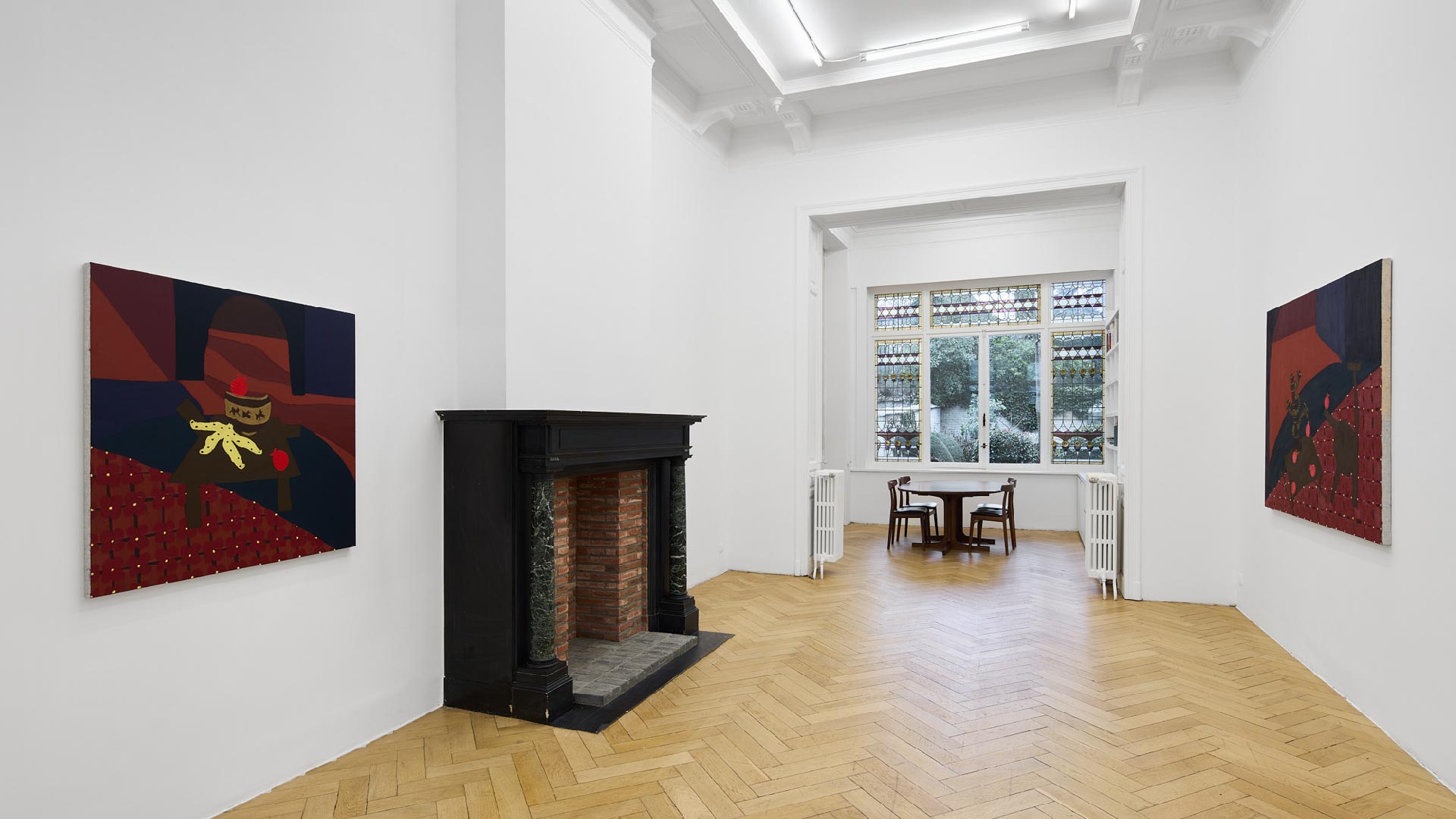
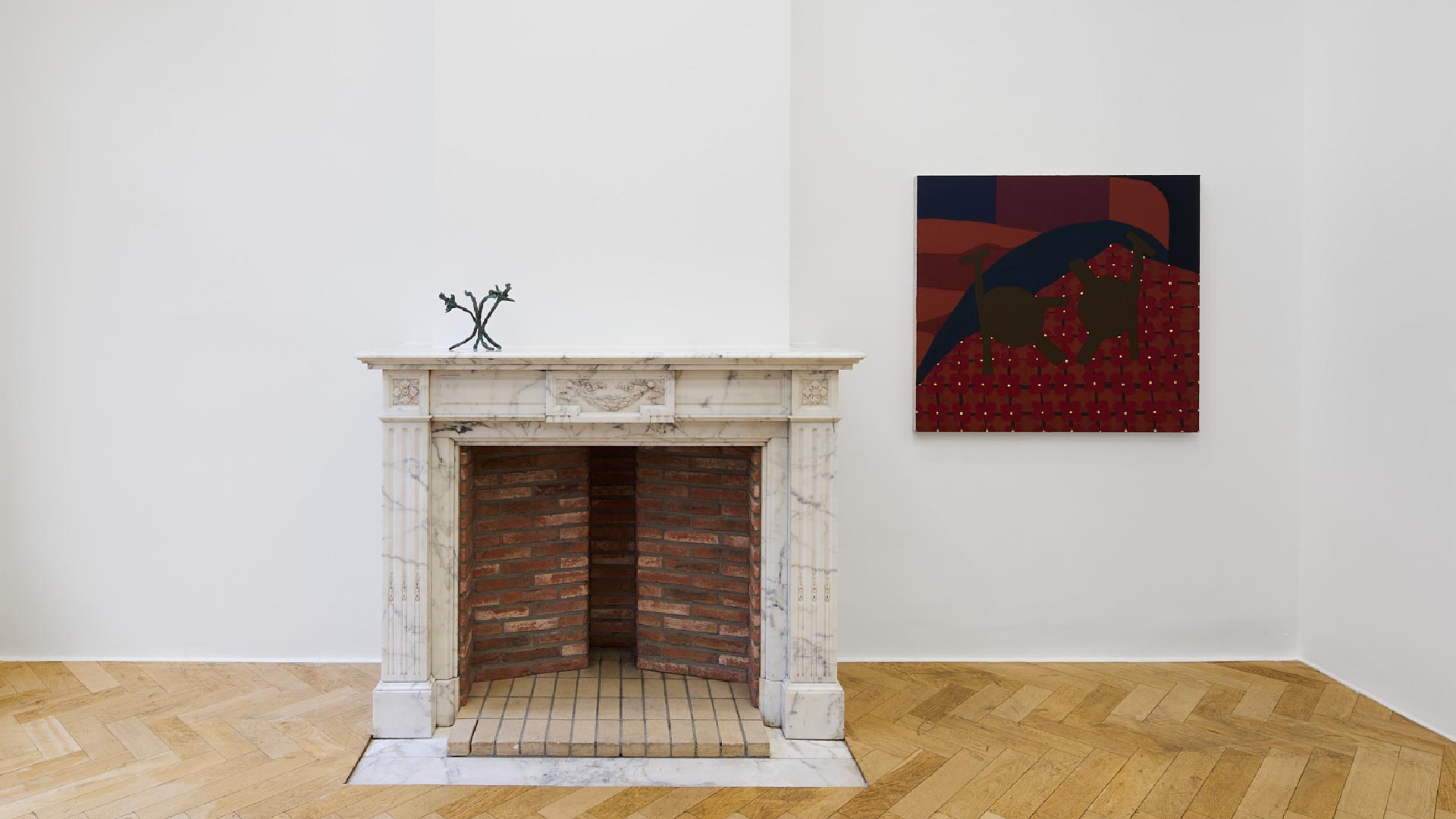
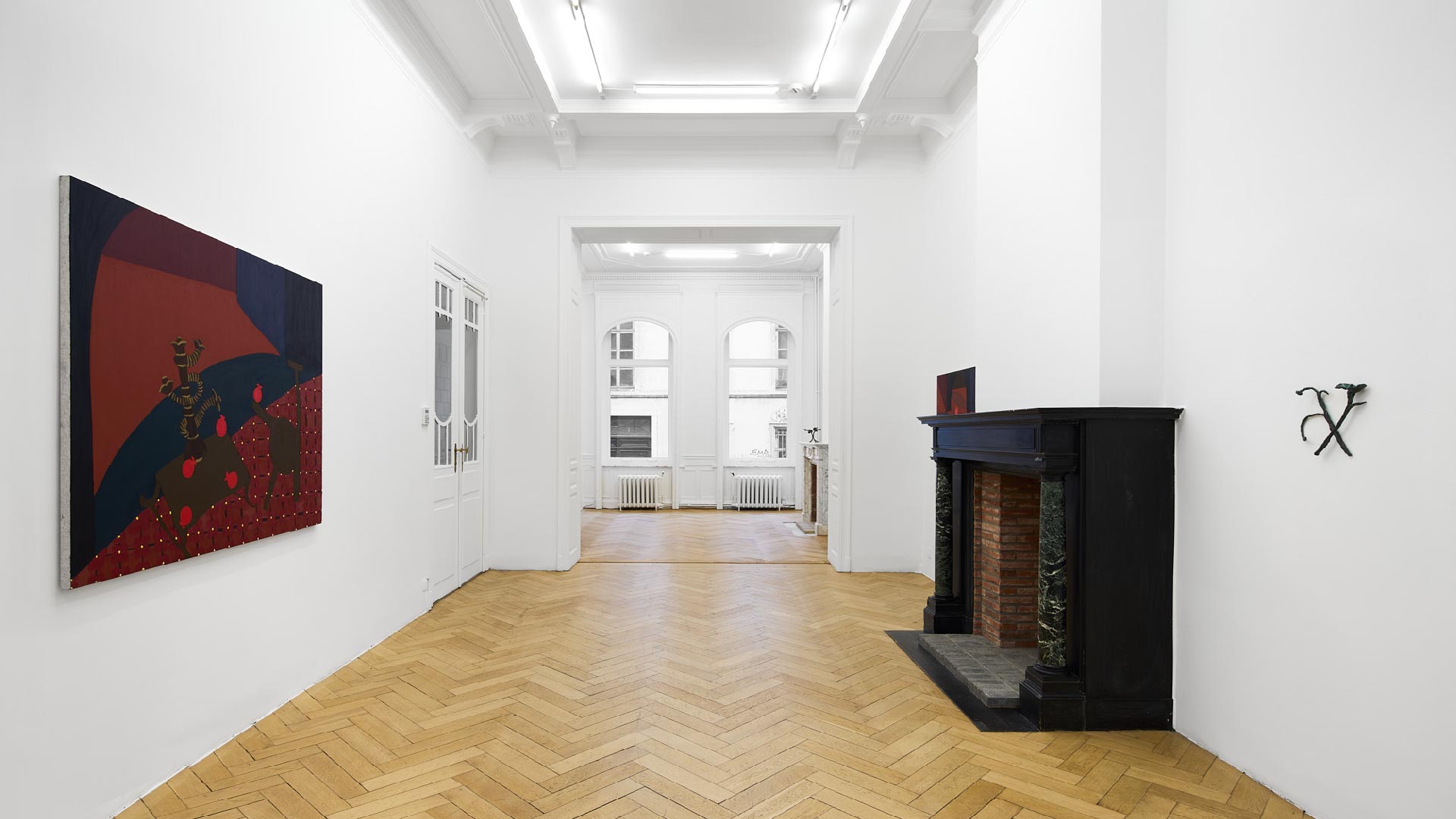
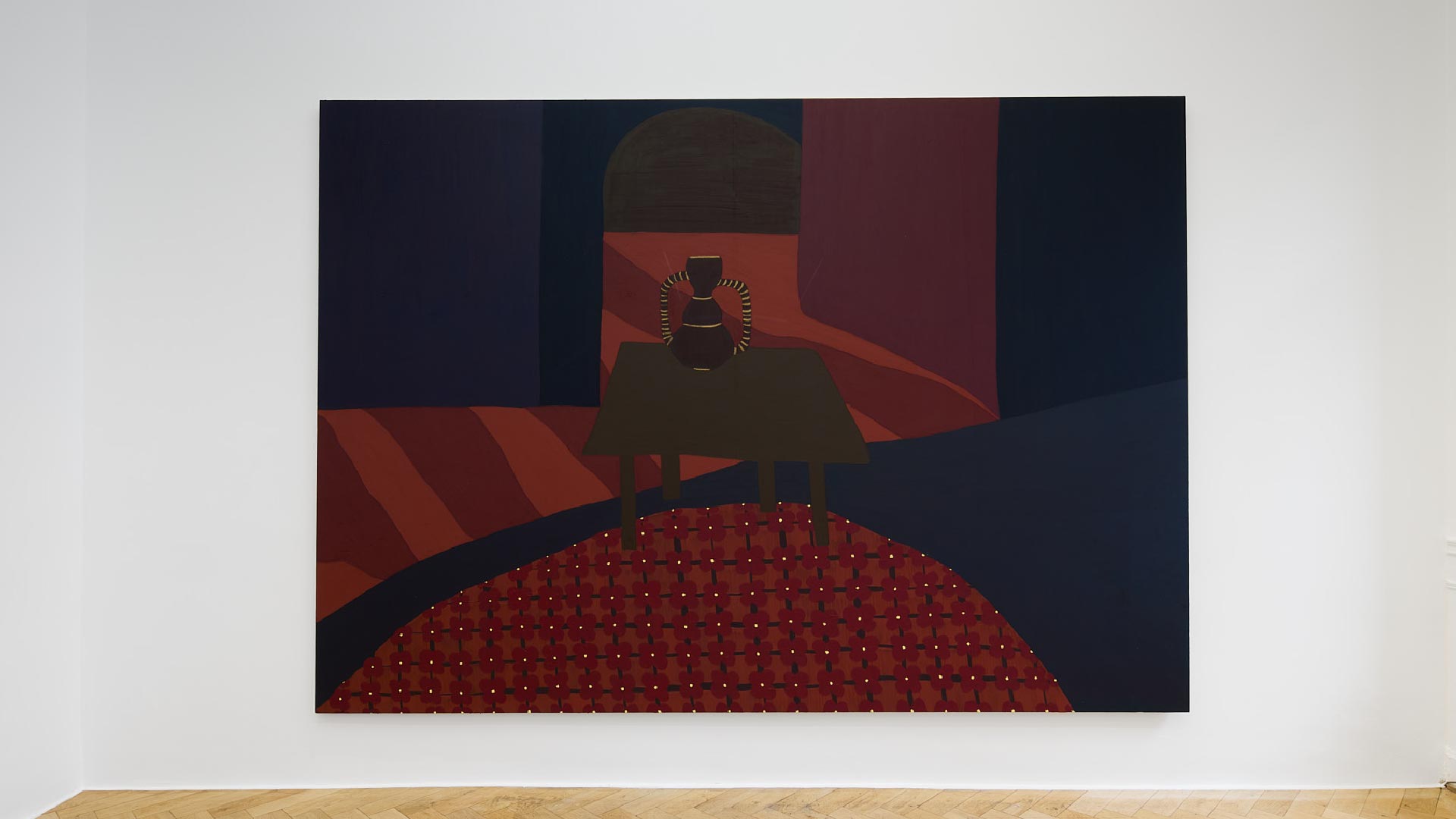
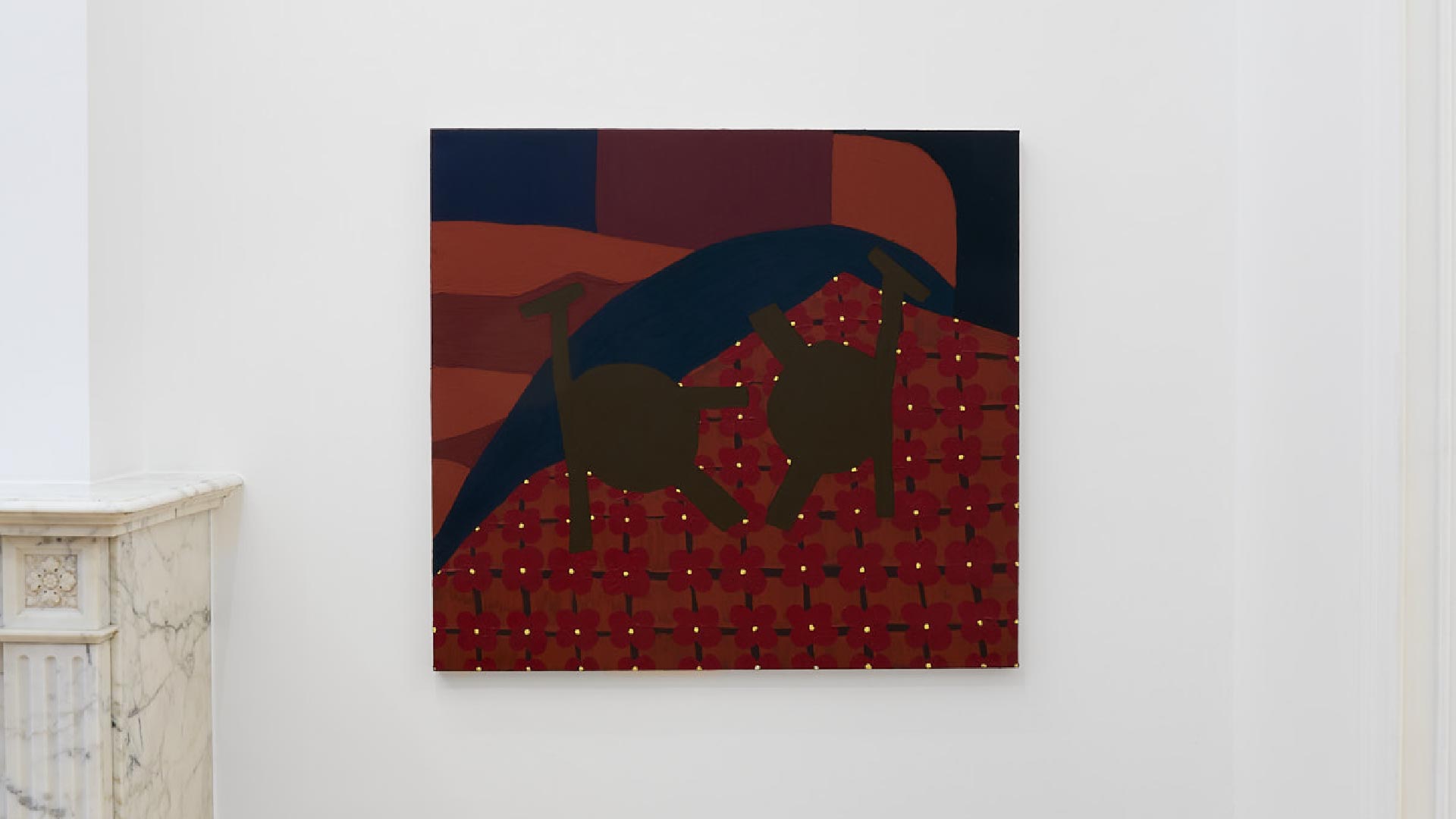
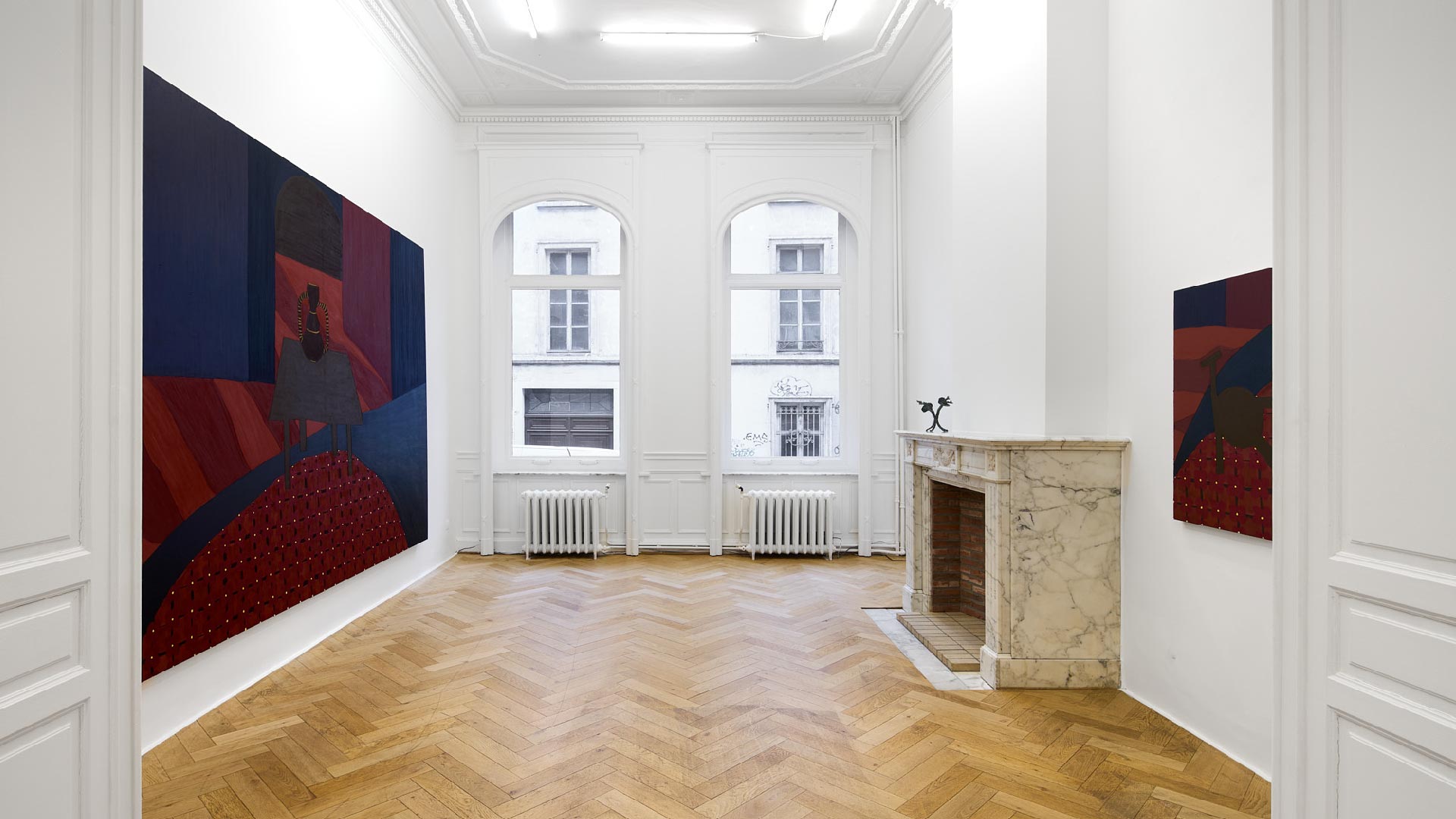
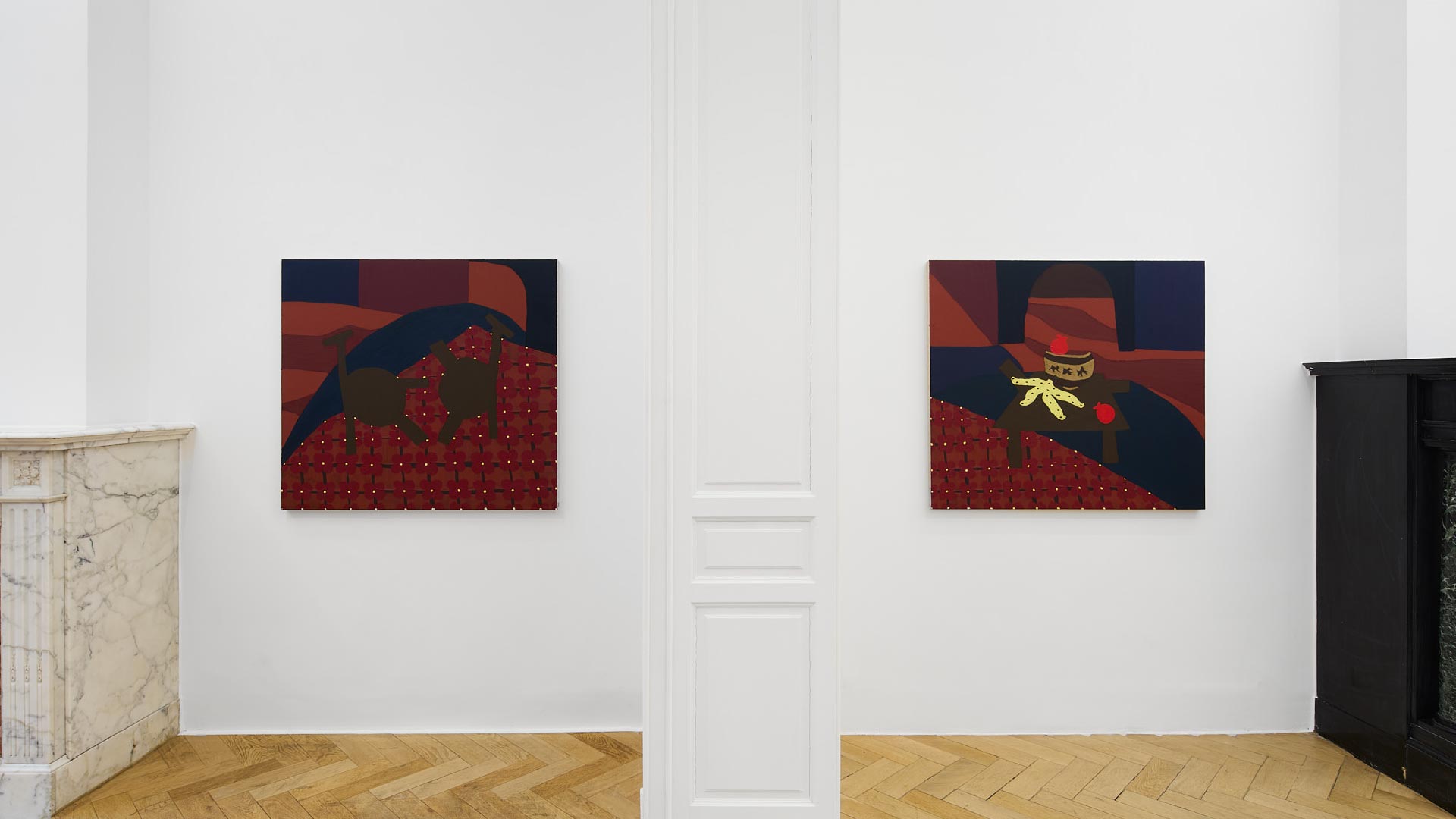
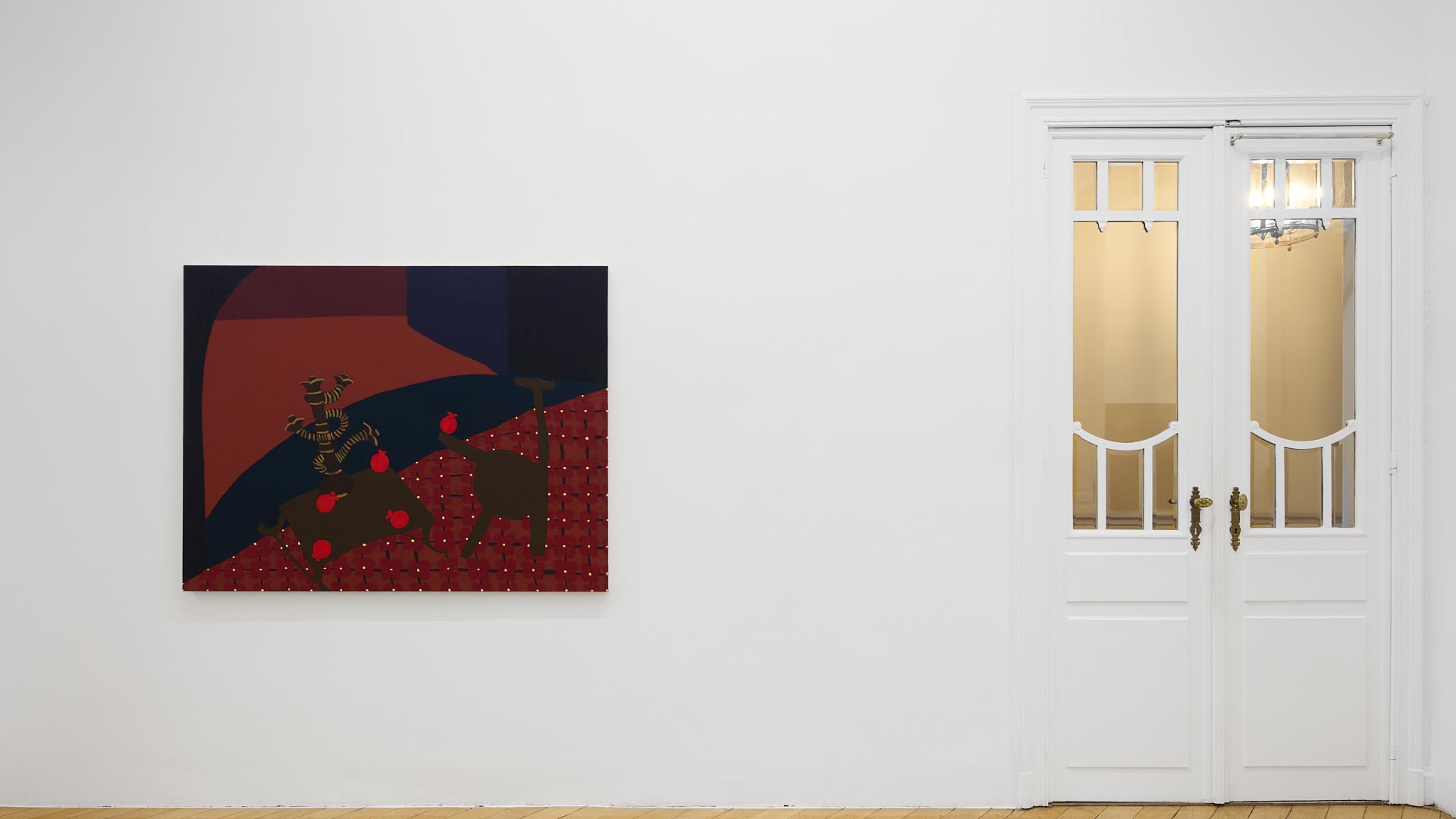
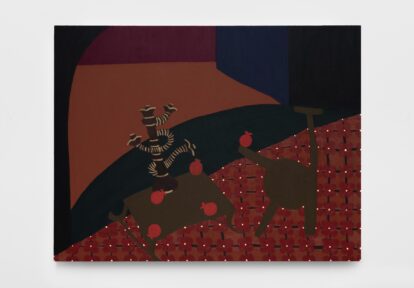
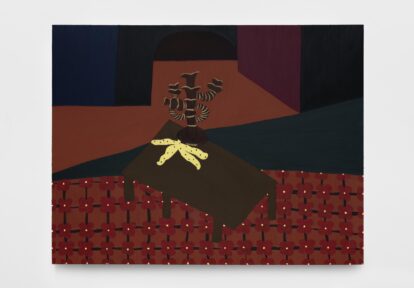
Some would say that it takes two for tango. Nonetheless, in Hiram Latorre’s very own painterly choreography, chairs, fruits and candelabra are invited to a rather amusing collective dance. The Brazilian artist will concoct elements from distant cultures in order to enact a lively get together, engaging pieces of furniture and vegetables turned into protagonists of his open-ended narrative-based paintings.
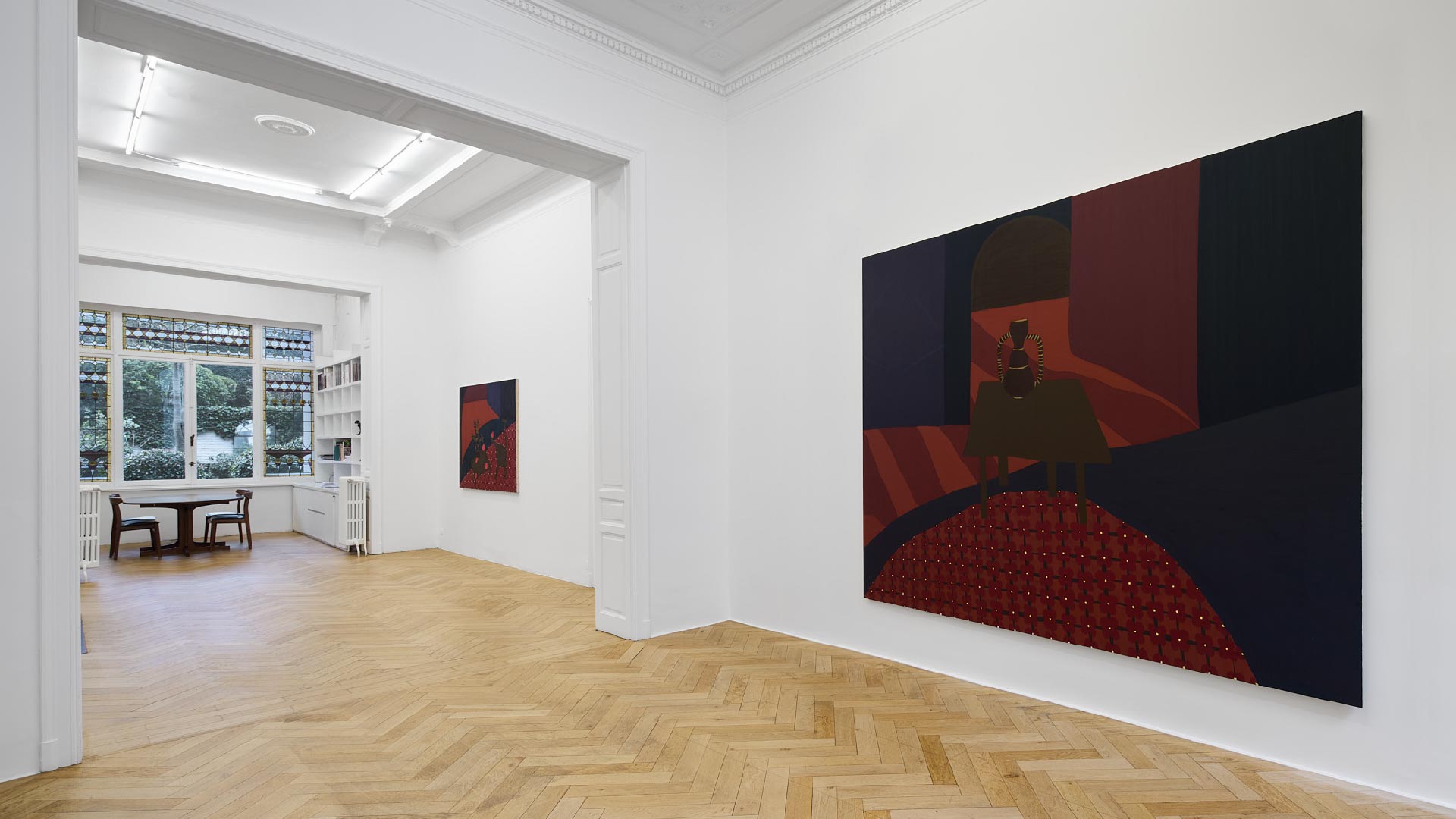
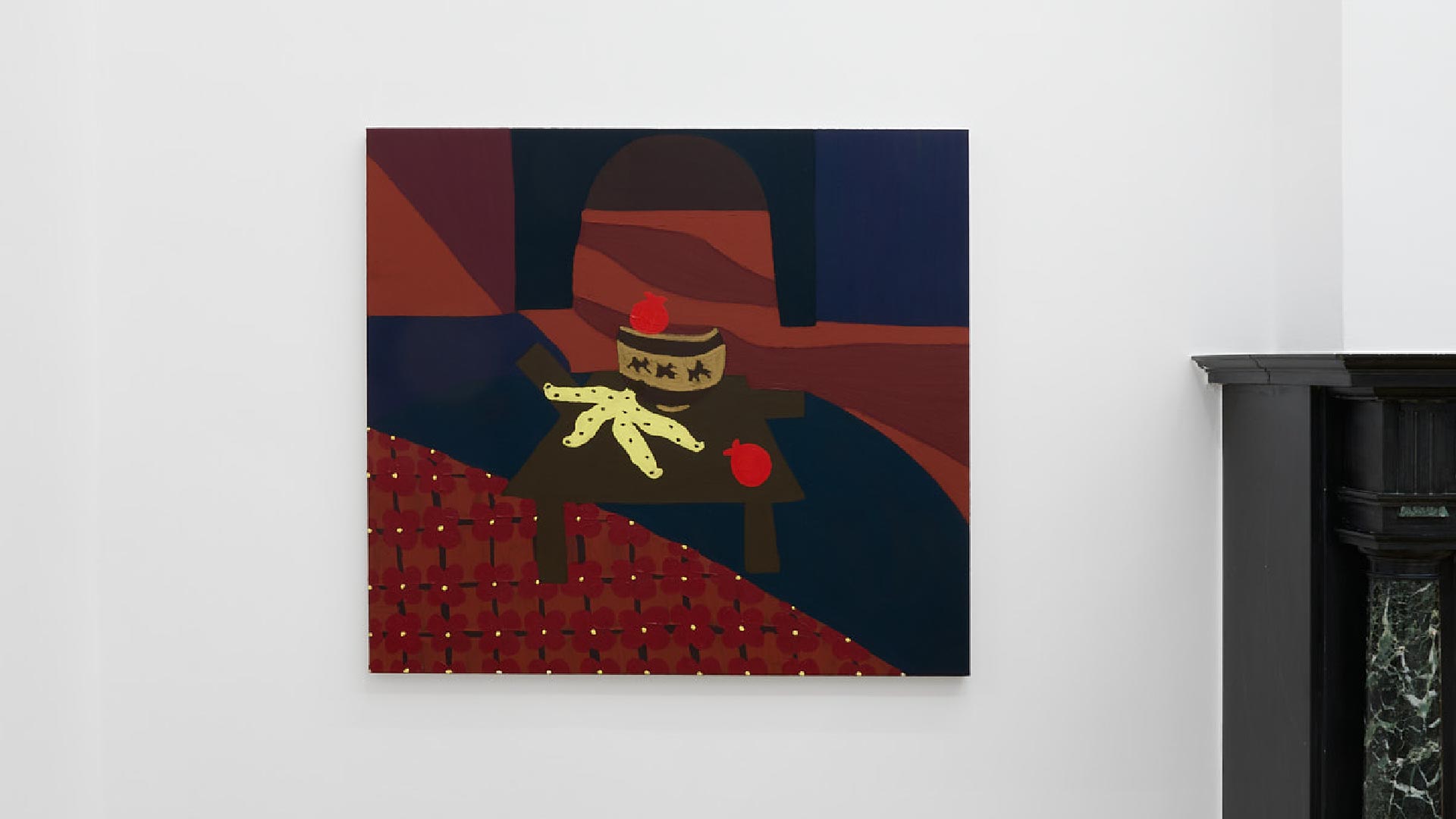
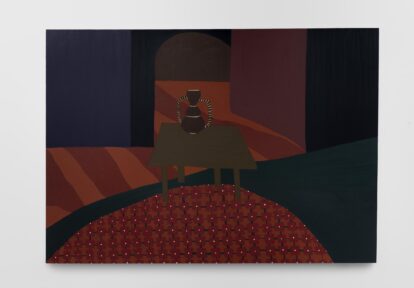
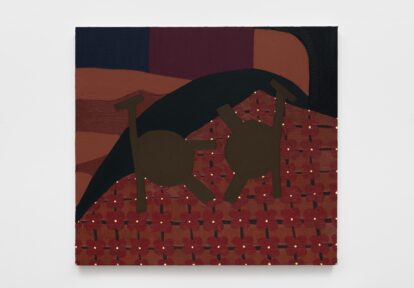
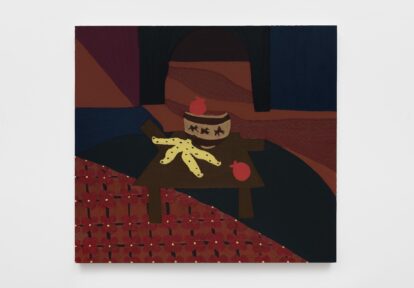
In an animistic procedure of endowing ordinary objects with a soul, the artist brings to life what, otherwise, would have merely been background compositional elements in a painting. While inviting into play a banana, a pomegranate, a chandelier and a Lina Bo Bardi Giraffe chair, Latorre summons these characters to challenge the very nature of still life painting. Furthermore, the untimely encounter of such elements sets in motion yet another unsettling narrative and pictorial manoeuvre: Brazilian and Middle-Eastern cultures fall together into paintings that owe their nature to modernist design as much as to Matisses’ orientalism or even to Arabian motifs and colour palette.
Having lived in the kibbutz (which suggestively means gathering in Hebrew) harvesting dates, travelling through the deserts in the companion of Bedouins and Druze, and working with children in a Tel Aviv art school, this young artist of Jewish origins prompts a humorous interplay of references that not only makes our notion of time but, most remarkably, our sense of spirituality collapse. His compositional arrangements, or pictorial rituals if you like, turn the very architecture of the portrayed spaces into an universe of its own accord, filled with enigmatic presences in rather bare interior settings. East and West collide in Latorre’s compositions, thus making us question the anima invested in any given object that has surrounded humankind since time immemorial, be it food, an artefact or sacred iconography.
Subjacent to his paintings, mischievously emerge some preposterous questions: What if Matisse were Persian?; or What if Bo Bardi had moved from Italy to the Middle East instead of South America?; or What if our table companions were lively talking objects?
A former student of architecture in São Paulo, particularly interested in furniture design made by Sérgio Rodrigues, Lina Bo Bardi and the likes, Hiram Latorre seems to amuse himself with the possibility of setting the table and having guests over his paintings, as if he had been cooking for modernist ghosts or imaginary friends. Interestingly enough, his pigments made with bee wax also require their own preparation and “cooking” time, later serving the purpose of creating his dense blocks of distinct earthly colours. Usually painted from a bird’s eye view, the objects of the artist’s affection and admiration appear to have taken a break from the visitors close observation and therefore indulged in a moment of mockery and disdain for the still life setting they were supposed to be entrapped into.
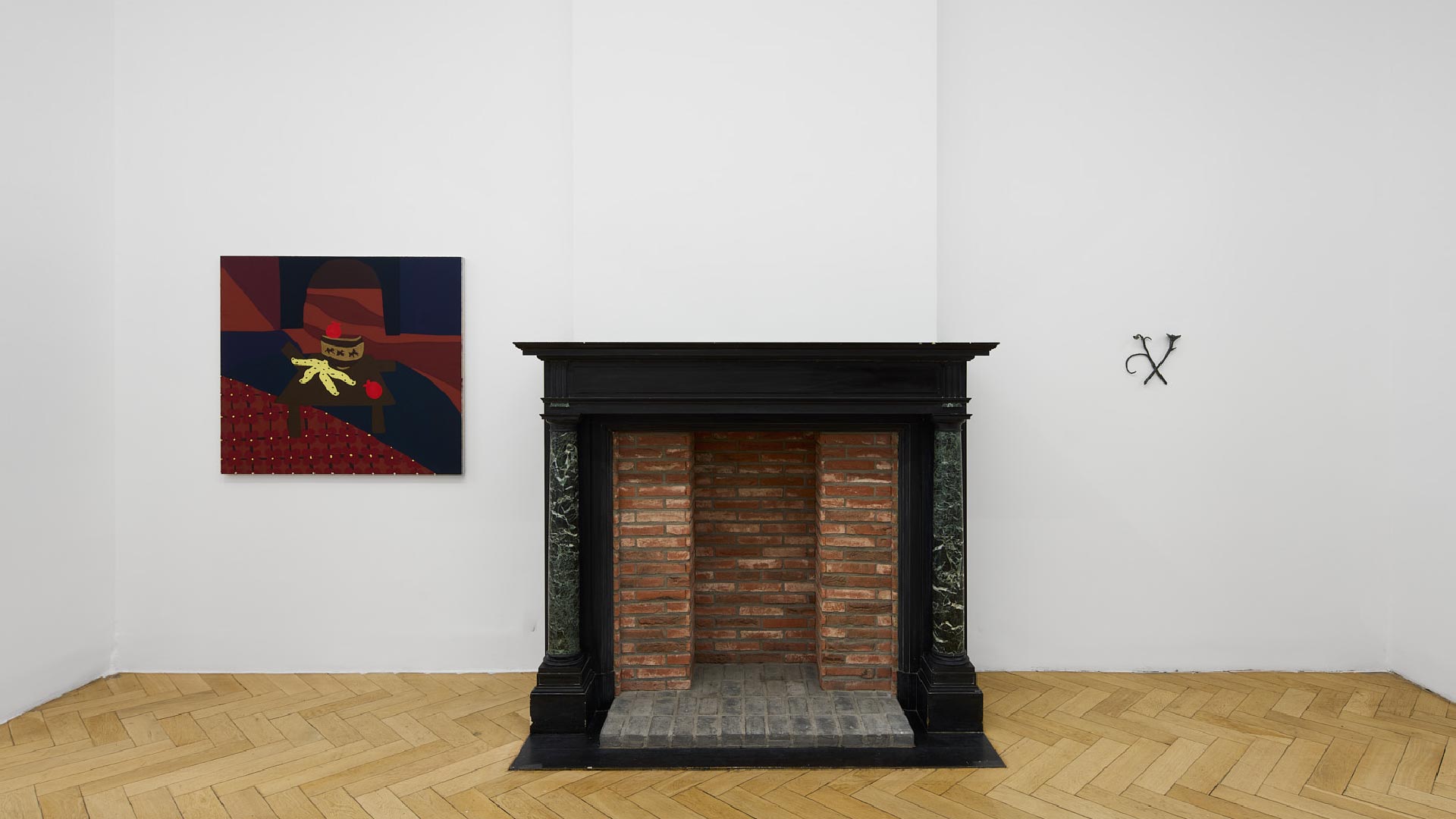
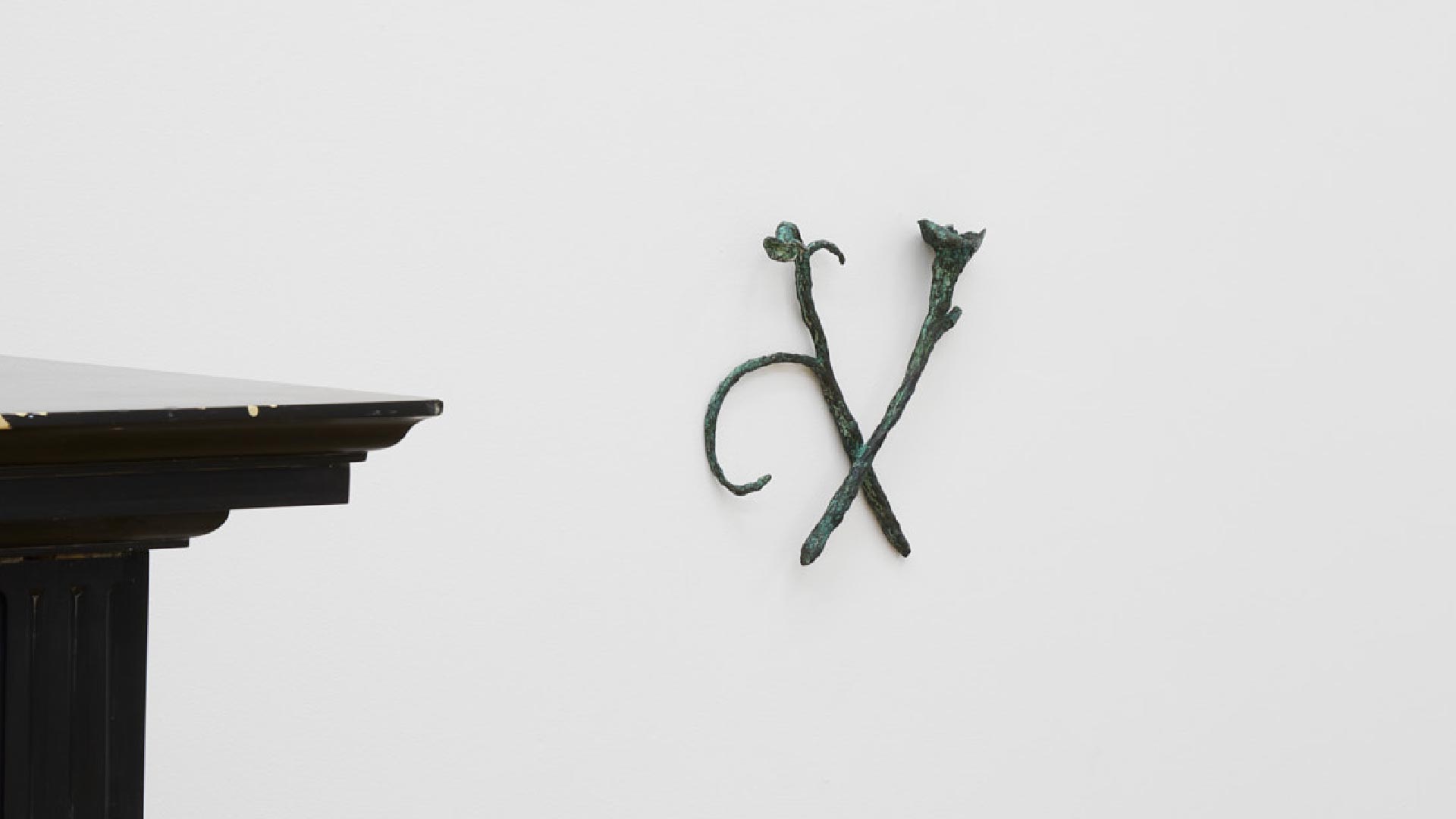
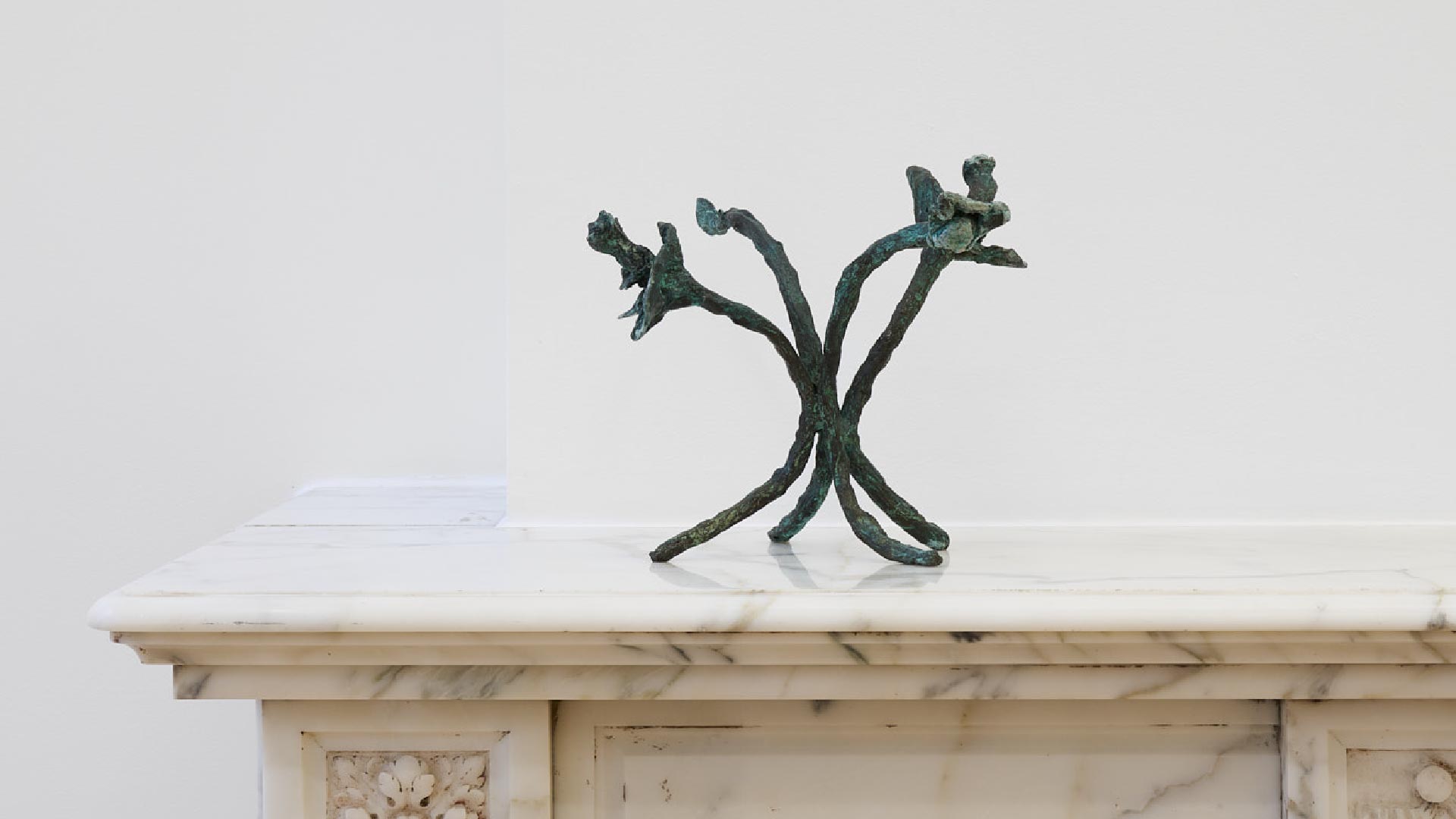
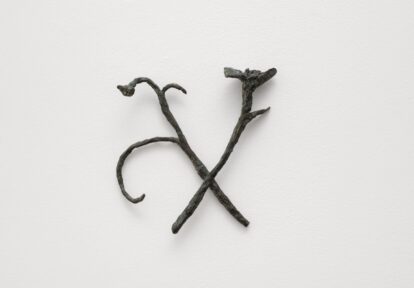
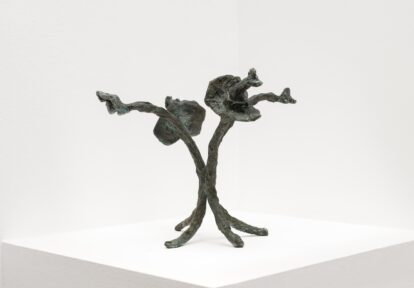
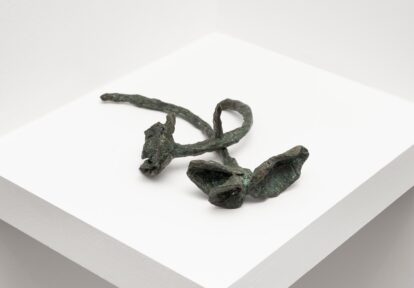
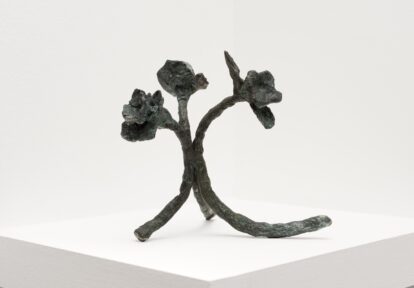
And in addition to the soulful objects in the paintings, this exhibition also counts on a few bronze sculptures scattered around the gallery and its fireplaces. This time around, though, what was to be invested with three dimensional life or utility— flowers appearing to be chandeliers—rest in apparent lifeless existence, thus granting the surrounding paintings all the action in the room.