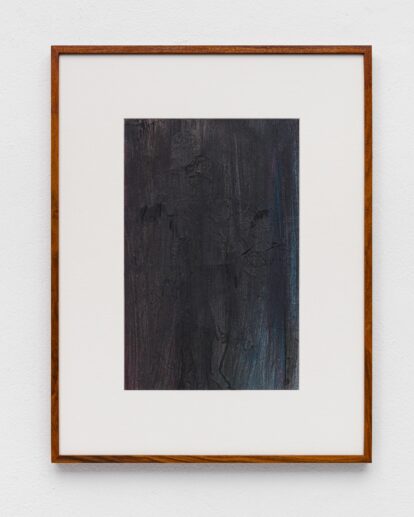
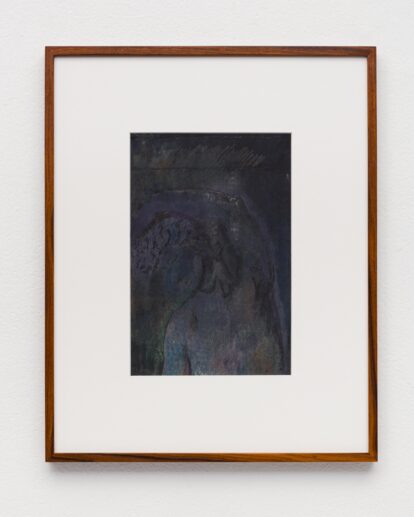
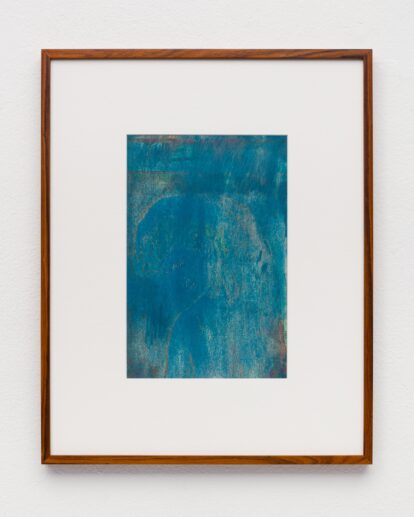
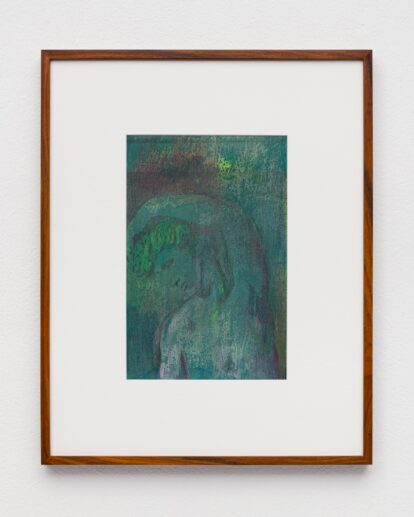
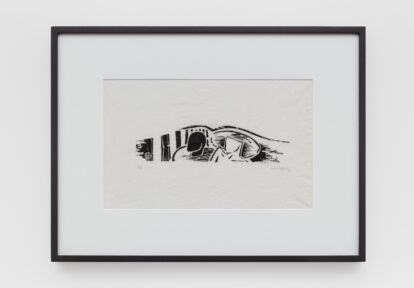
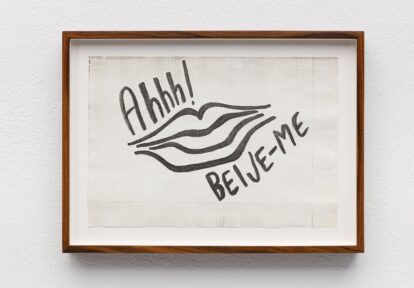
Ahhh! Beije-me
Hudinilson Jr.
AN ANTI-PATRONYMIC SERMON FOR HUDINILSON JR.
Ricardo Domeneck
Hudinilson, if I address and direct, if I deliver and dedicate myself to you in my speaking, it is not because I consider you among us in spirit. I believe in hauntings, not in ghosts. It cost me dearly to reprogram myself, to unlearn the beliefs imposed in my childhood home. I no longer believe in a distant afterlife; the beyond I believe in is a physical, concrete place. The only afterlife that remains in my life is out-there-past-Baghdad. No more celestial cities, but earthly ones, even if they are only sanctified by the beliefs of other members of the species, like Jerusalem or Lhasa, Ife or Bodh Gaya. Whatever happens, let it happen here. The will of some god, but on earth. Without eternal punishment for lives lived well or badly. And yet, the great work of mourning ourselves and those we love and admire, continues. This august work, mourning.
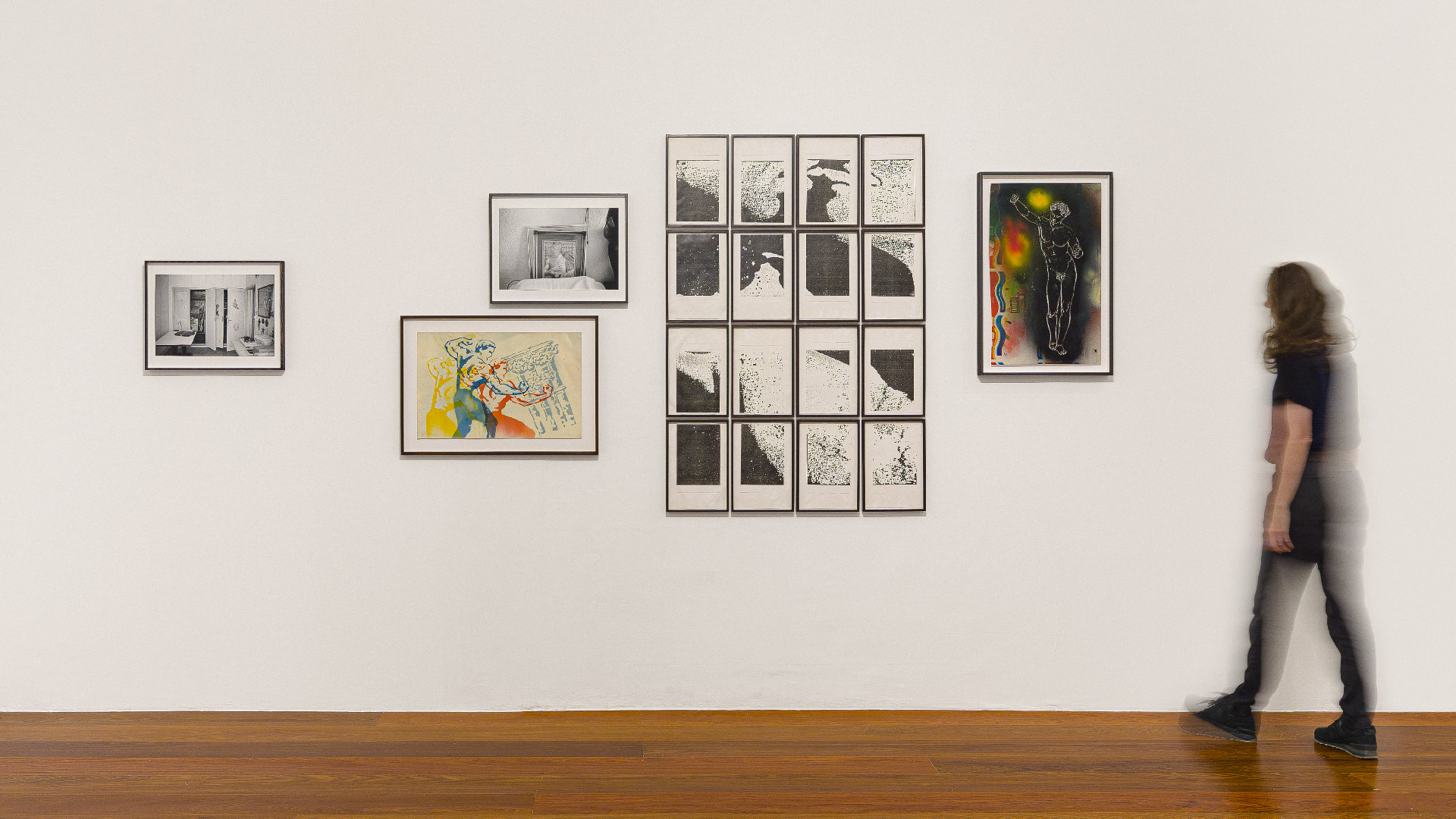
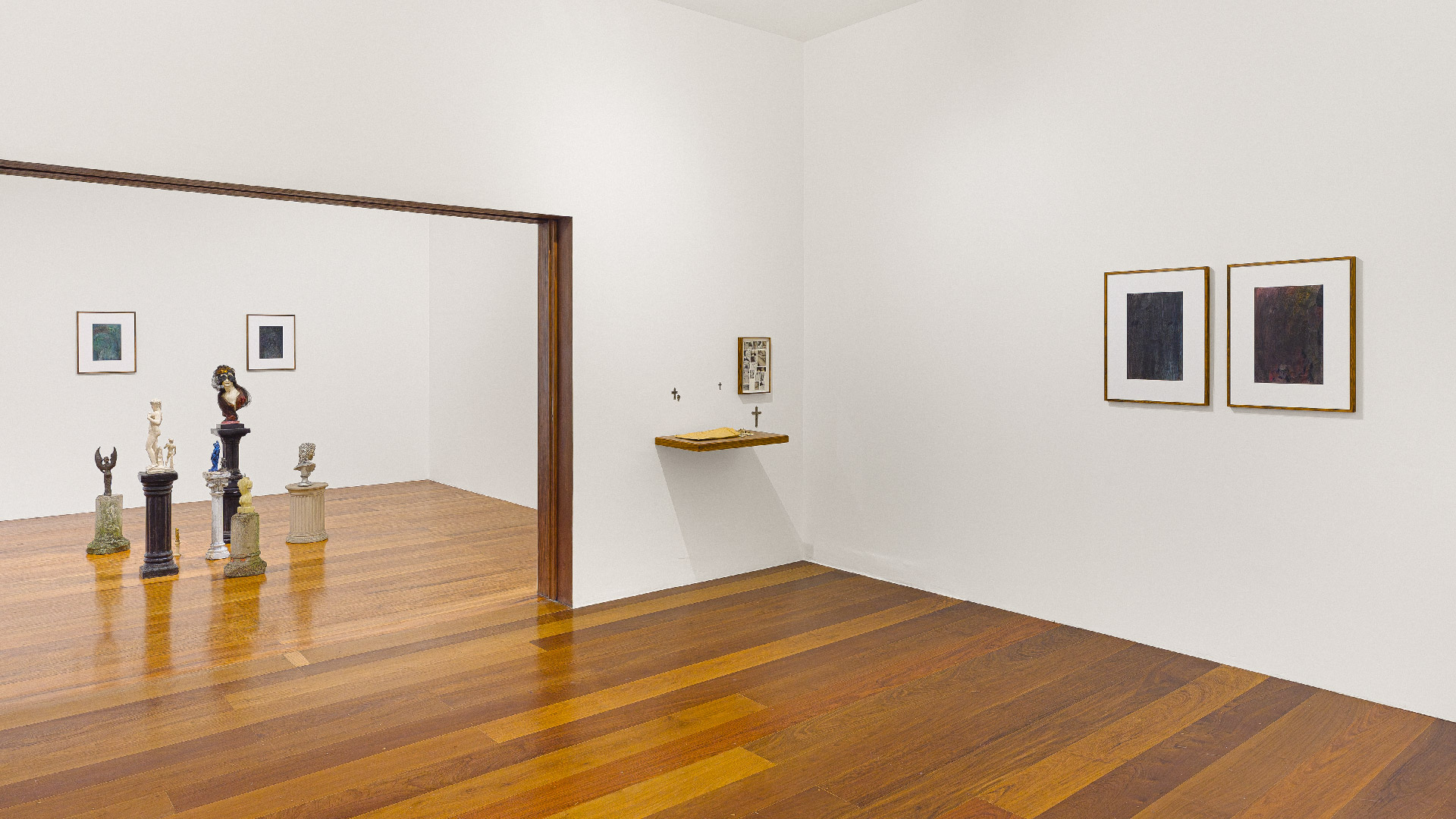
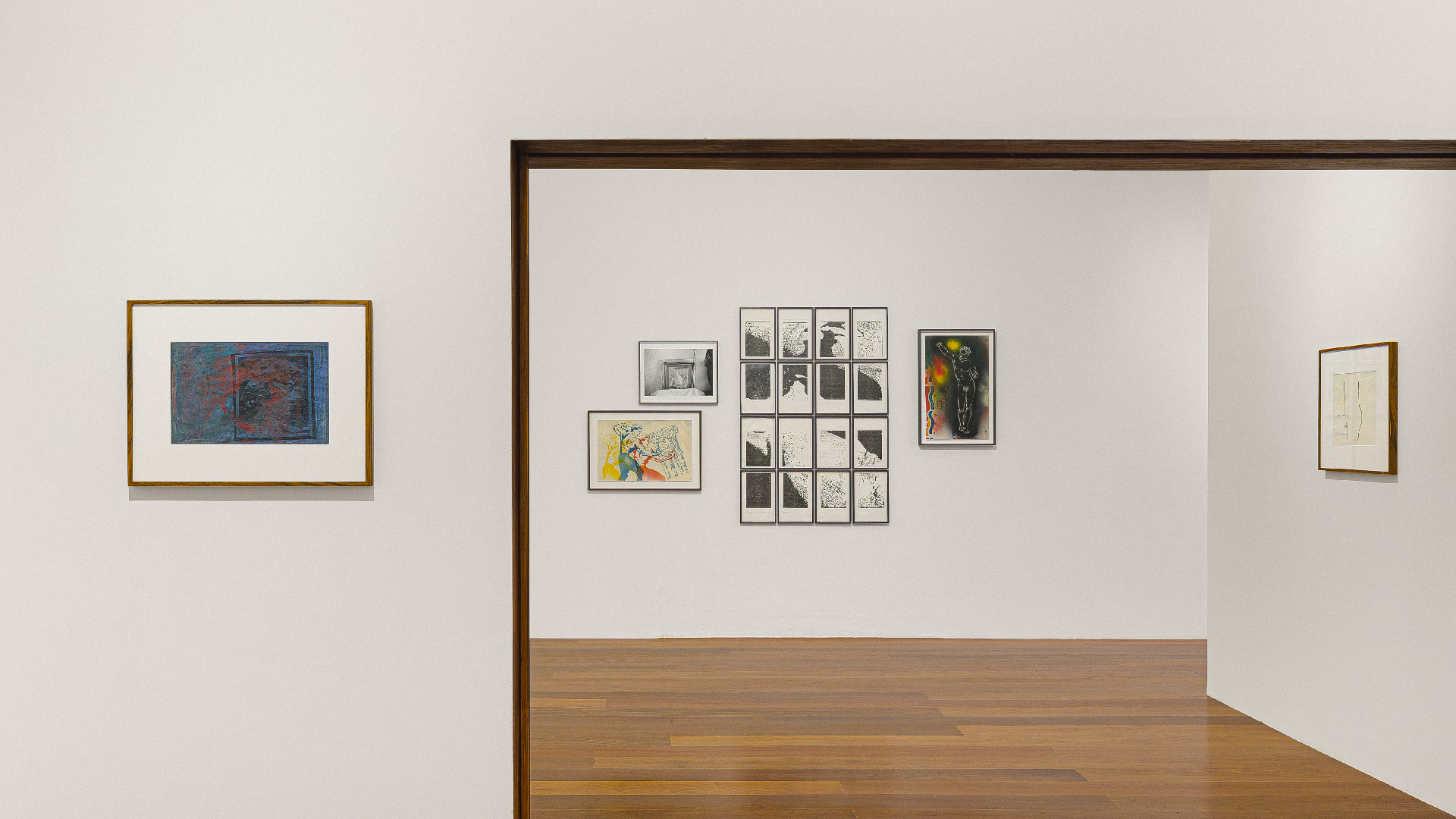
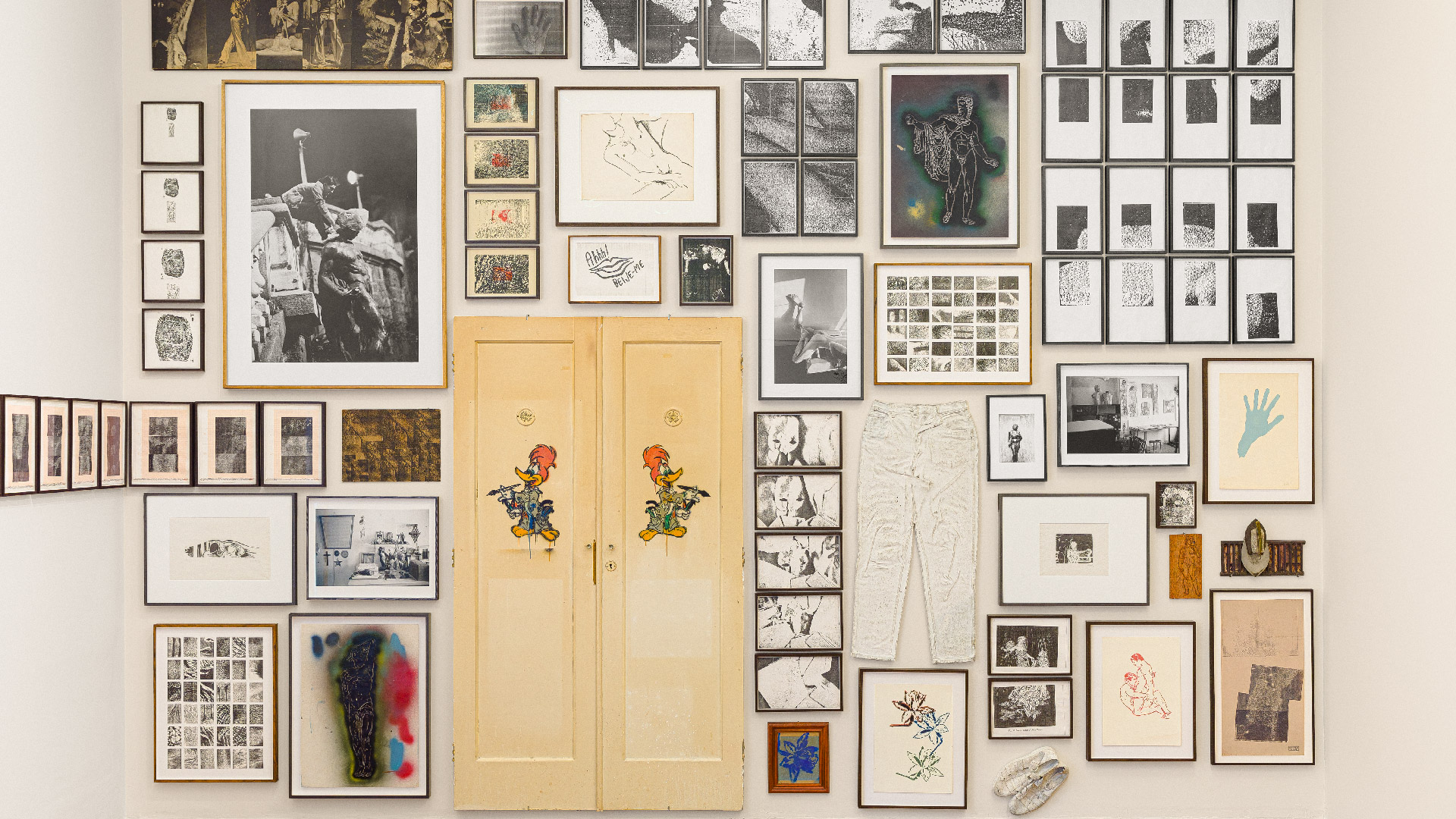
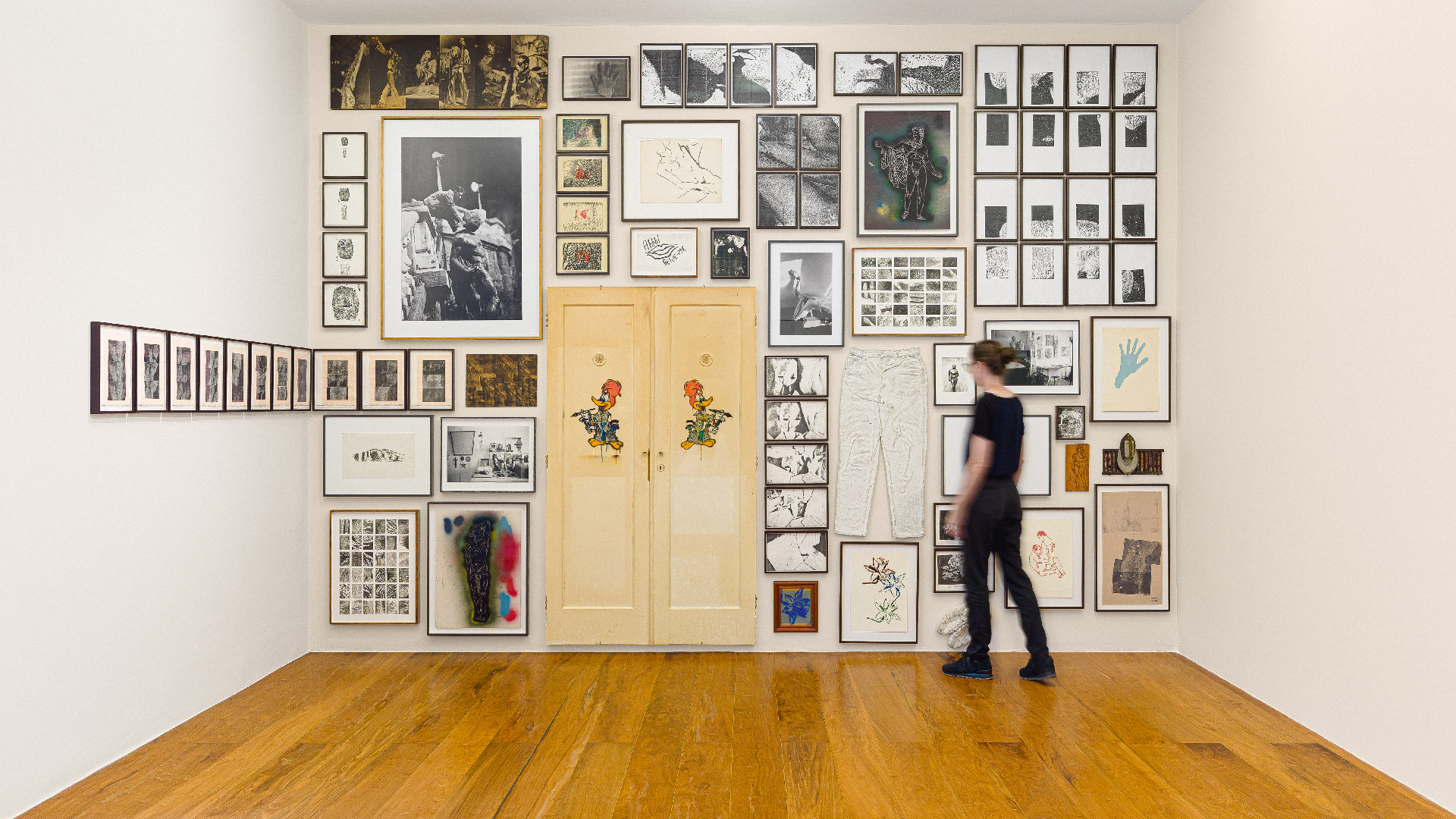
Addressing you here, therefore, Hudinilson , is a strategy to address the living. Those who happen to be within the same four walls as me, if I were to vocalize this text to those present, or those who now, alone, in a low voice or no voice at all, read it. In an exhibit of your works, do we all come to celebrate, as at a birthday party, or to mourn, as at a funeral? Don’t we live in a constant state of LUXURY and MOURNING, CELEBRATION and WAKE? When we leave an art exhibit, can we at least say: I could have been stealing, I could have been killing, but I went to an art exhibit. Are our hands clean? Here are your works, Hudinilson, and can we say that you fought the good fight, that you fought the good combat? Who are you, Hudinilson? A Paulista, Brazilian and Latin American, American and Western, from the Global South, a globalist? Male and queer, beast and flame, body exposed by machines that reproduce images, but not auras?
What a strange name, Hudinilson. An artist with Brás Cubas credit,[1] one of those who have no children but carry in their name that strange patronymic, a SON, a FILHO, an IAN, ES, FEN, ZON, IBN, and that filial repetition, SON and JUNIOR. Or the feminine ways of defining the DAUGHTER by the FATHER, like -OVNA and -EVNA, or DOTTIR on that icy island. Didn’t that other queer artist, from the North of the continent, create a work that said precisely: THE FAMILY TREE STOPS HERE, DARLING? And I, who until the age of nine didn’t even have my father’s surname, because he wasn’t married to my mother, I couldn’t have his Domeneck on my ID. What was, what am I, a Joãoson, a Johnson? My father is dead, Hudinilson is dead, I address the living, even though Anne Carson said that the poet saves and is saved by the dead.
So I, saved by the dead, speak to the living, and what do I know of life? Twenty years separate my birth from yours, 1957, 1977. You were about 7 years old when the Military Dictatorship began, I was about 7 years old when it ended. When, in the 1980s, you were photocopying your own body in the state capital, I was hiding in the country so that no one would notice my body, how it moved differently from the other boys, so that no one would notice that my voice had a somewhat feminine trill. How difficult it is for our so very social species, when one of its members is different. Like that boy in the school lunch line, we were 7 years old, who turned to me and asked, sincerely: Are you a BOY or a GIRL? And the whole line burst into laughter. Do I hold resentment against that child, unsure of what kind of creature I was? And you, Hudinilson, what defines your uniqueness? Your father’s and mother’s names? Your address, your ID number, your social security number, your favorite samba school, the names of the men and women you loved, if you were in love, if you were impassioned? Were you impassioned? Yes, you were impassioned.
Am I more qualified to talk about you? Because we share similar animalistic obsessions? But what obsessions, bicho [animal] or bicha [faggot], our physical obsessions, having to eat every day, not forgetting to drink water, to urinate, to defecate — humans are the defecating angels — all these bodily fluids, the sperm that comes out of the anthurium of your body? Did you love men like animals? Your hairy body, like all of us primates are hairy? Ah, animal.
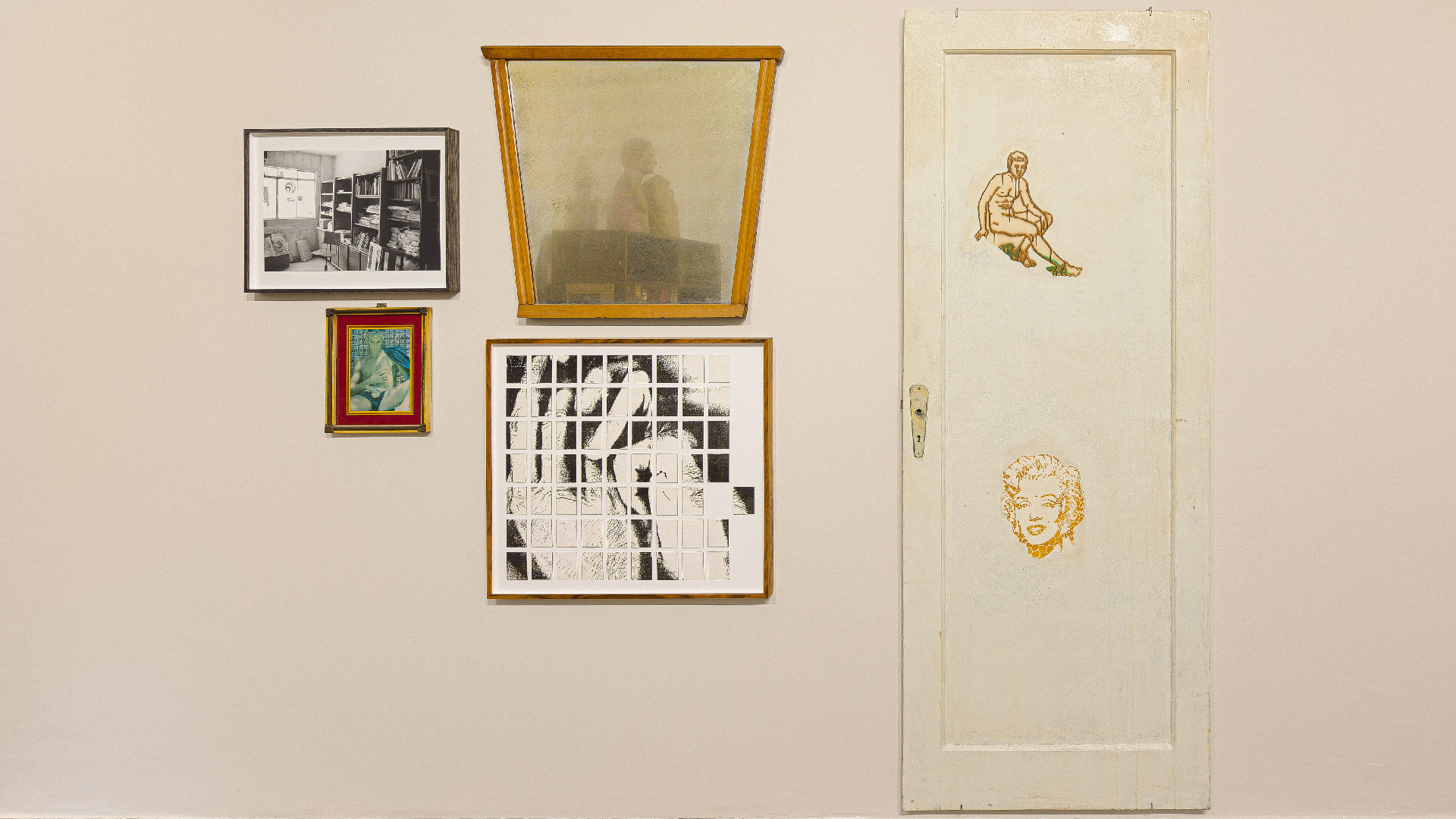
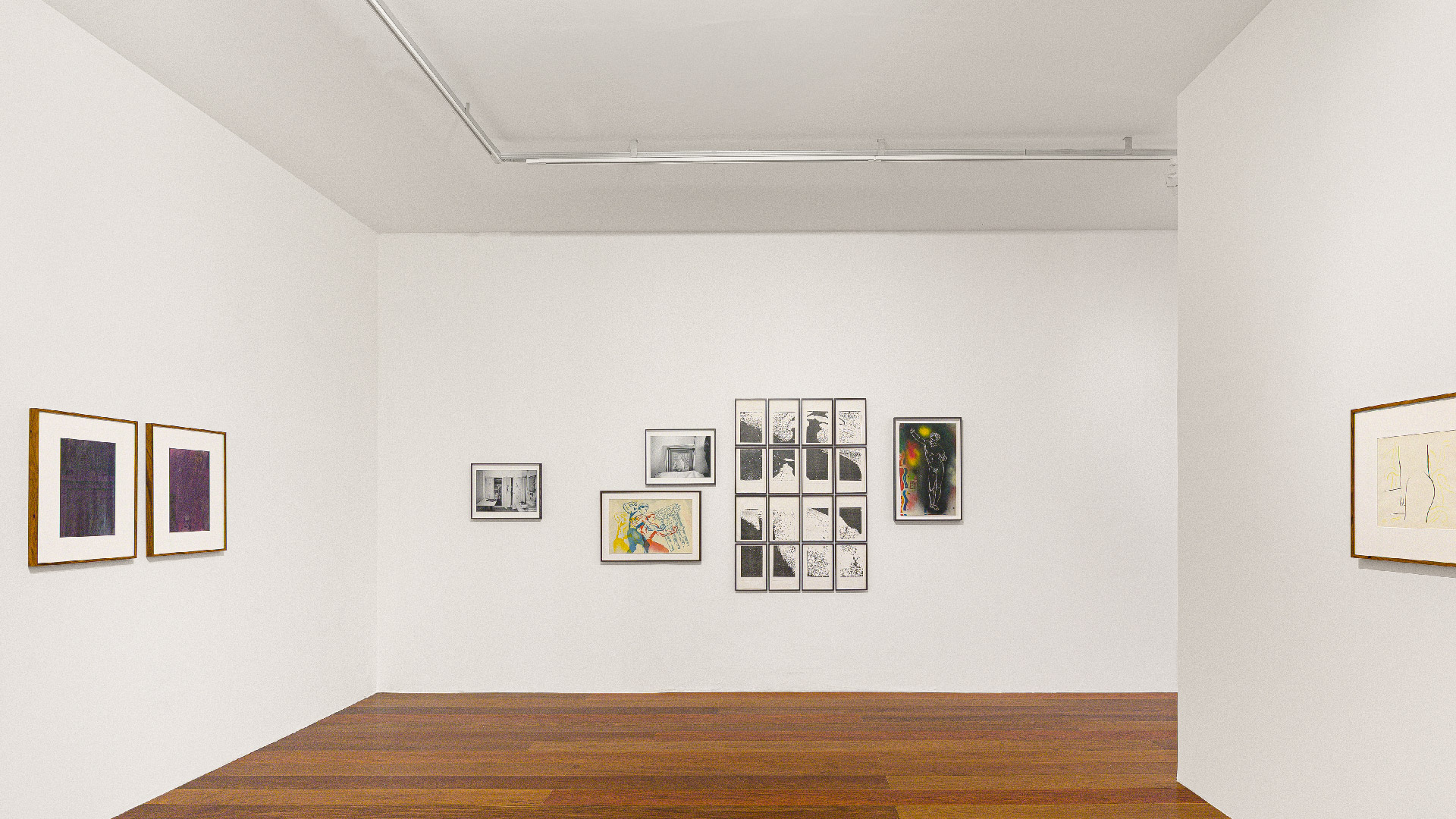
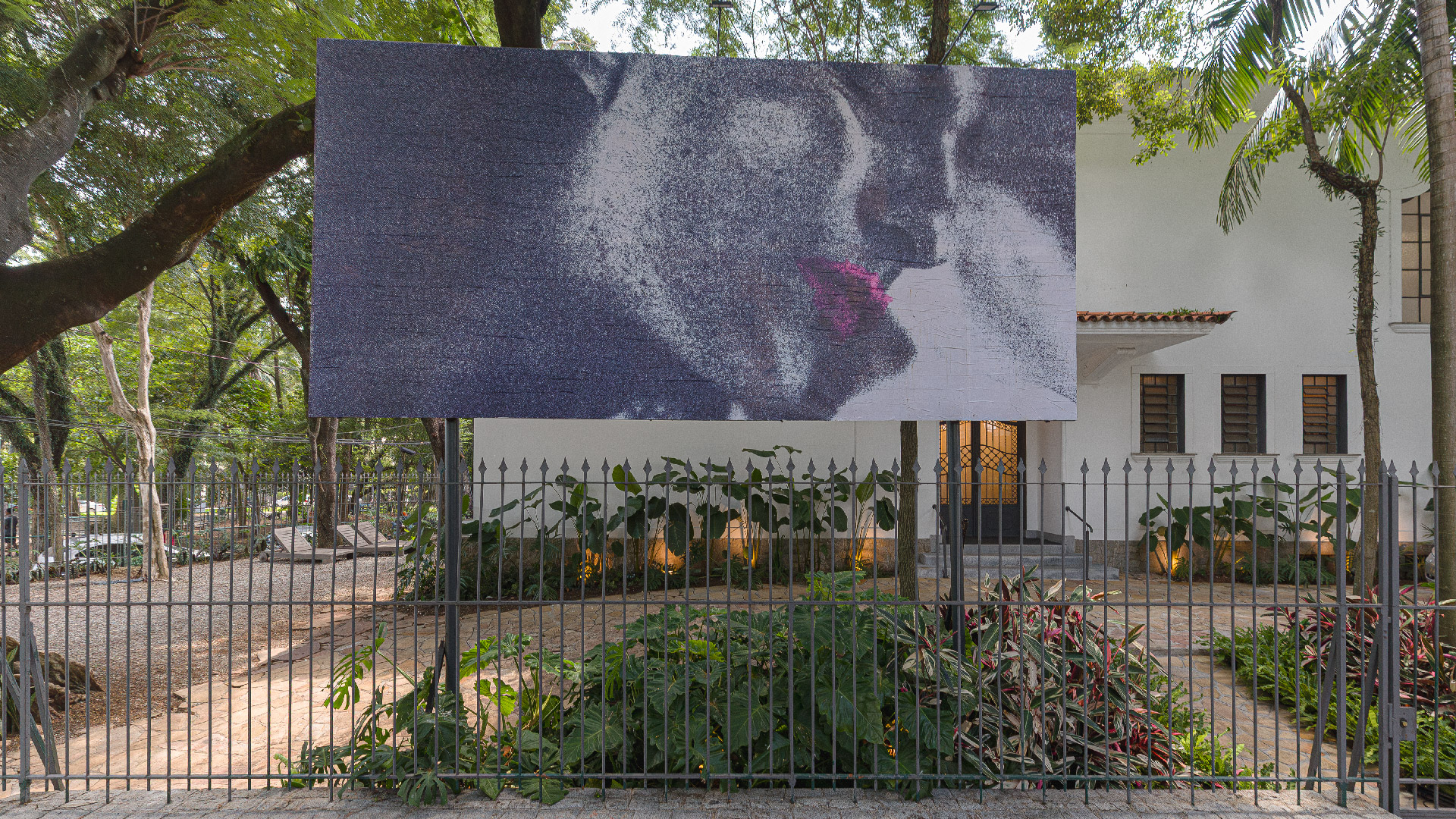
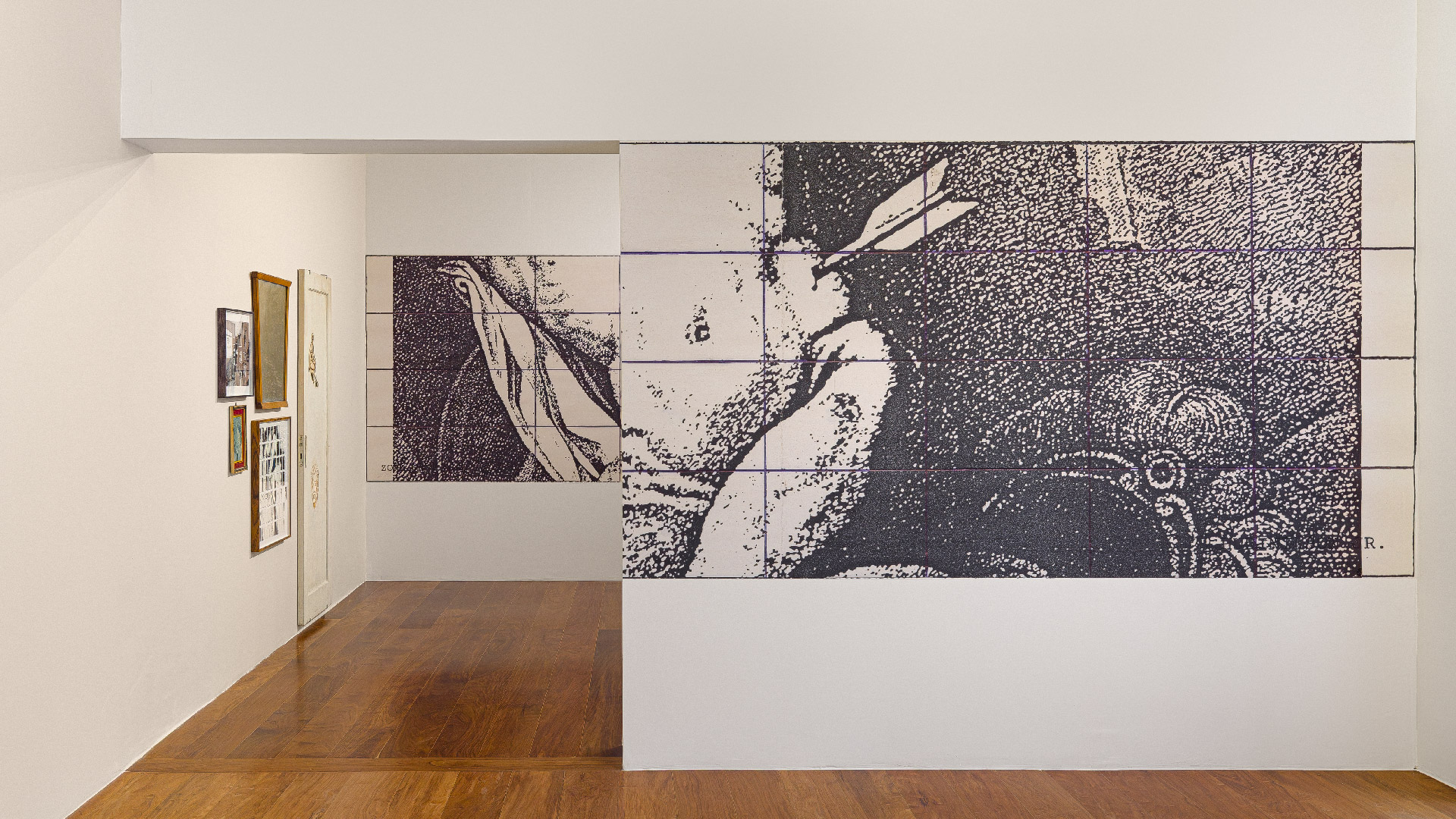
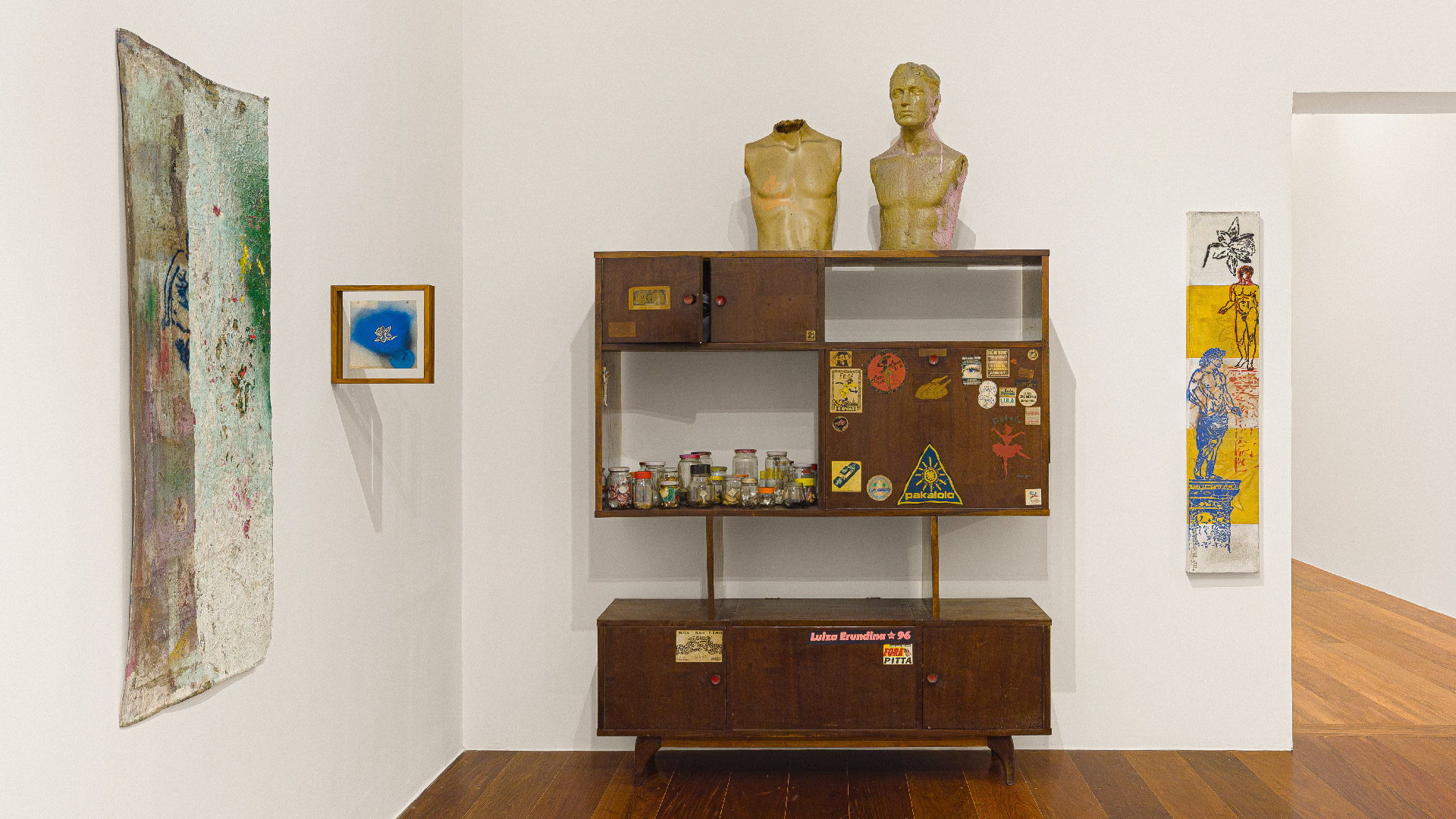
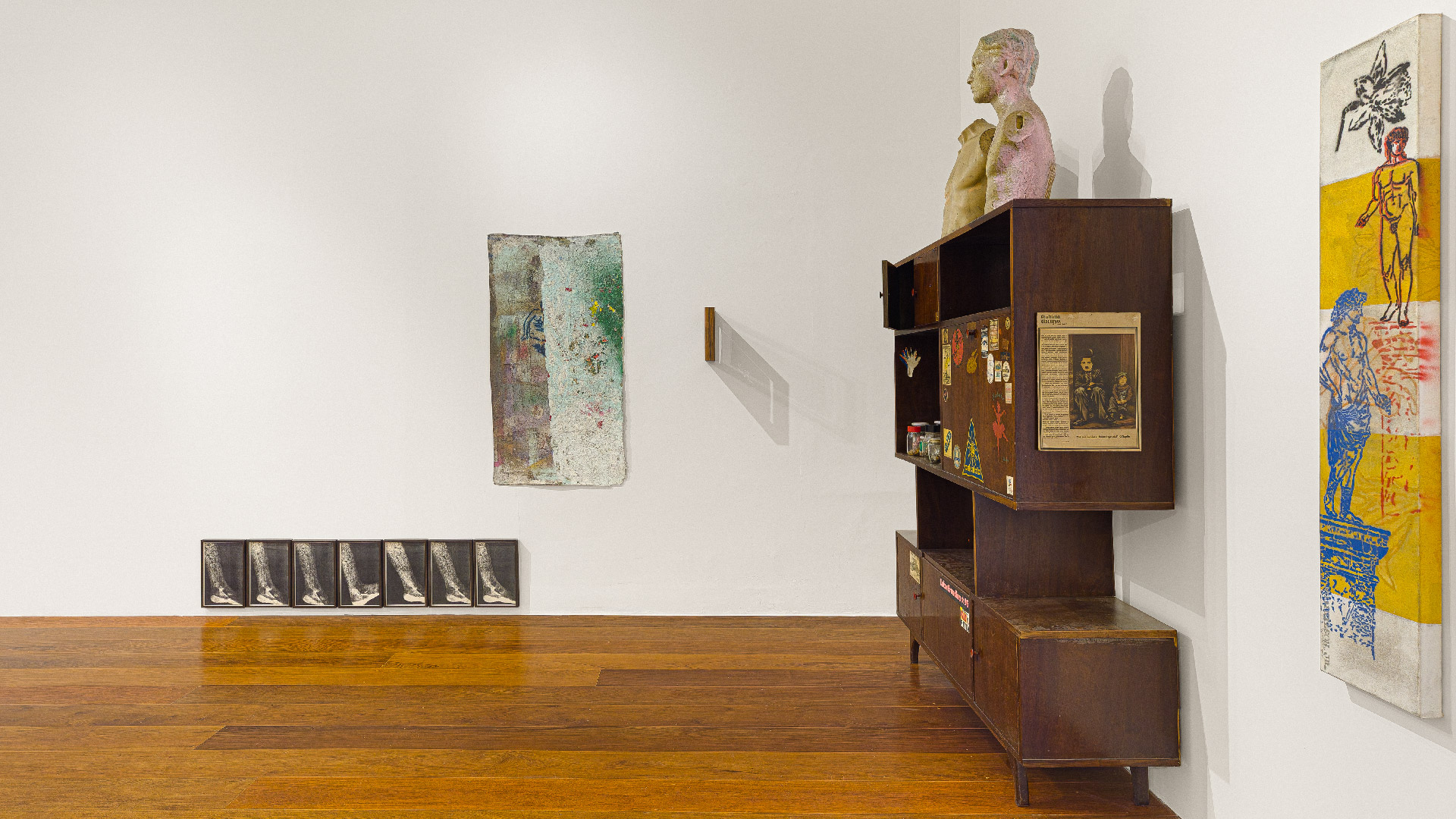
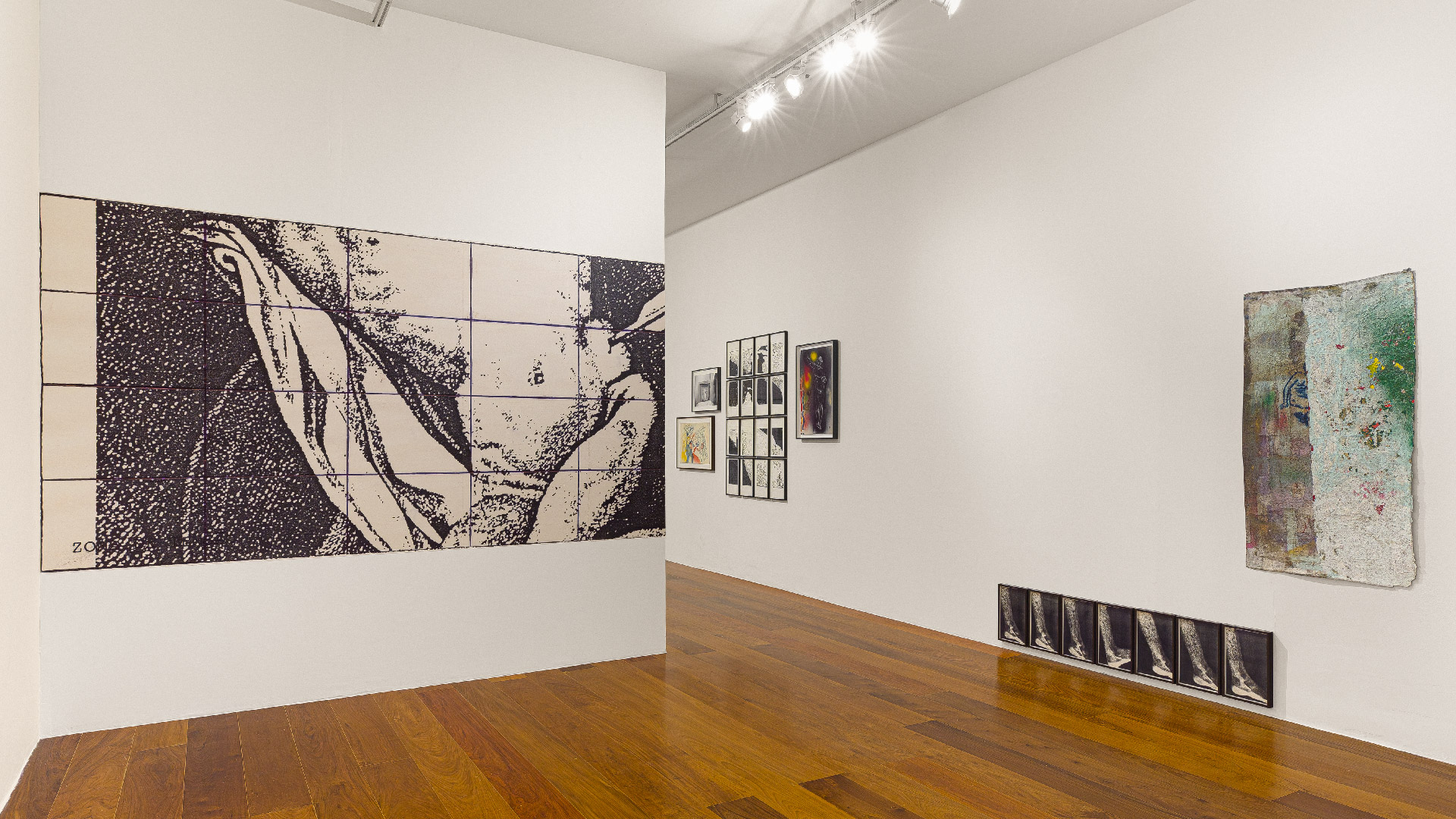
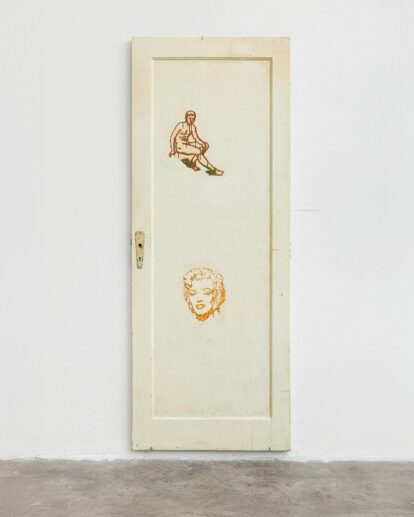
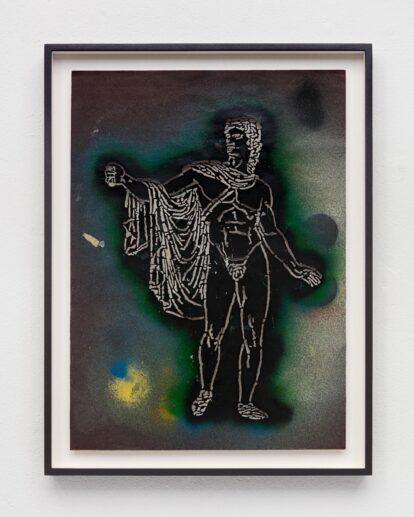
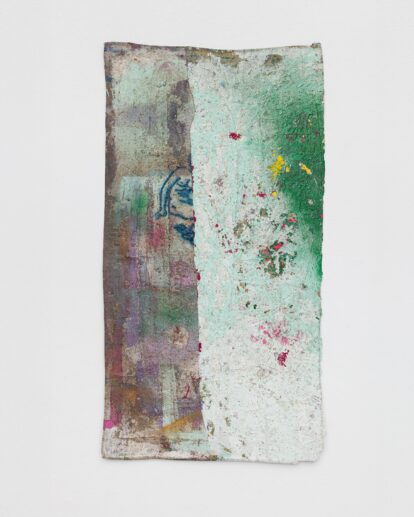
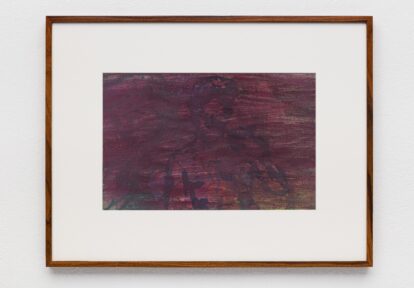
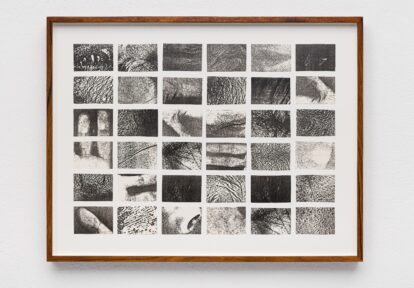
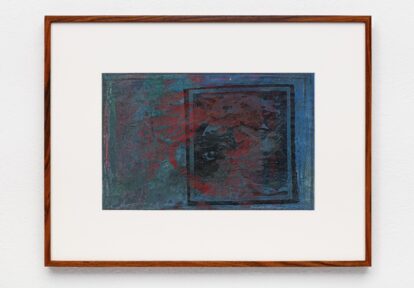
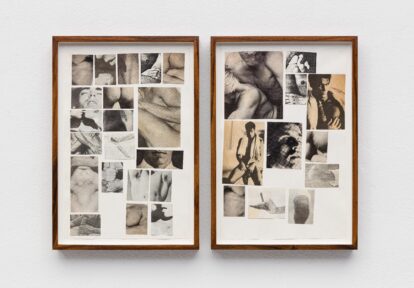
Here we are, in the context of your work, often made with images of your body, images intentionally degraded by the machinery of photocopiers, without an aura. Like genes that make mistakes during reproduction, and from these errors come the mutations that divide us on the planet, we are humans and octopuses, we are horses and lizards, we are whales and finches. And these reproductions, as art, are like children we launch into the world, paintings and photographs, poems and songs, we who have the Brás Cubas credit? You were questioning the very act of identification and reproduction, and how do we see these dull, photocopied bodies in our era of celebrating identity? The hole, the holes, are always deeper down.
In this text, do I represent other bichos [animals], other bichas [faggots], I who do not lay eggs, like a hen in a yard or in a story by Clarice Lispector? The American poet George Oppen wrote once : “There is nobody here but us chickens”, and I replied in another text: There is nobody here but us kitchens, there is nobody here but us Chicanos, there is nobody here but us Chechens. Am I doing here exactly what is expected of me? Are we paid to be predictable?
Nobody really expects a metaphysics from these bodies of ours, Hudinilson. Abroad, who expects metaphysics from a Latin American? In our own country, who expects metaphysics from bicho-bichas [animal-faggots], from bicha-bichos [faggot-animals]? Will this once-feared animality of ours which caused nausea now to be celebrated by markets ferreting out pink money? Are our bodies our palisades? Are our erections now political resistance? They were. Are. Will be. I don’t know, Hudinilson. When you place your face, your hands, your fingerprints on works of art, as if on the national ID cards, do you confirm or erase your identity? What shield can my body be for the bodies of others who are now in danger, my body that now fades into words and is safe in this text, while your body, Hudinilson, no longer requires security.
You are dead, Hudinilson. You are now more valuable. A good artist is a dead artist. Young people display their bodies on digital pornography platforms to escape Kentucky, Kamchatka, Cataguases, because they know that they will never be the CEOs of any company, so they turn their bodies into businesses, just as you turned your body into your work, Hudinilson, and this text is silent about the bodies in danger, bodies of other colors, of other desires, in danger at this very moment, in Kentucky, in Kamchatka, in Cataguases, and we drag our heavy bodies across the earth, and when we die, we only hope that a living person will speak our name and say: may the earth rest lightly upon your body.
[1] In Portuguese, saldo de Brás Cubas. This is an allusion to final sentence of Machado de Assis’ celebrated novel, Memórias Póstumas de Brás Cubas: Somadas umas coisas e outras, qualquer pessoa imaginará que não houve míngua nem sobra, e, conseguintemente, que saí quite com a vida. E imaginará mal; porque ao chegar a este outro lado do mistério, achei-me com um pequeno saldo […]: — Não tive filhos, não transmiti a nenhuma criatura o legado da nossa miséria.
[Taking one thing and another into account, anyone would imagine that there was neither loss nor gain, and consequently, that I broke even in life. They would imagine wrongly; because upon arriving on this other side of the mystery, I found myself with a small credit balance […]: — I had no children, I did not pass on to any creature the legacy of our misery.]